
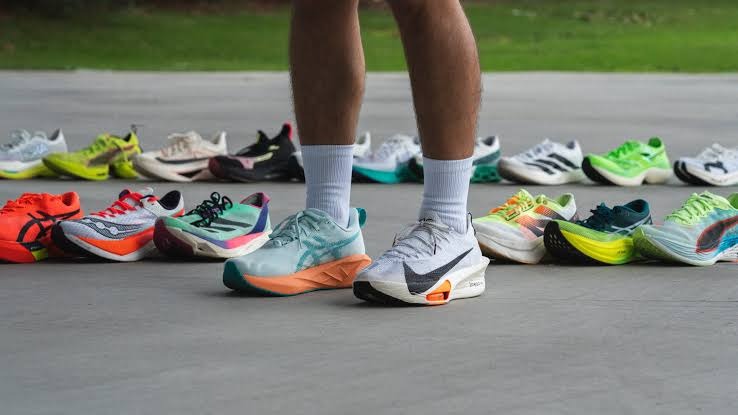
Choosing the right running shoes can make a major difference in your comfort, performance, and long-term joint health. Many runners experience discomfort not because of overtraining, but because they are using shoes that do not suit their foot shape, running technique, or training routine. With so many models available today, finding the right pair can feel overwhelming. This guide breaks down the key factors to consider so you can pick running shoes in Singapore that support your goals and help you enjoy every step.
Knowing Your Foot Type
Your foot type plays a big role in how you run. Some people have flat feet, others have high arches, and many fall somewhere in between. Each foot shape affects how your foot absorbs impact and how it rolls inward or outward when you land.
Runners with flat feet usually benefit from shoes that offer stability and support, helping to reduce excessive inward rolling. Those with high arches tend to need more cushioning because their feet absorb less shock naturally. Neutral runners, who land with balanced alignment, have the most flexibility and can focus on comfort and responsiveness.
Understanding your foot type is the first step to choosing the right pair. If you are unsure, you can look at your arch pattern after stepping on a piece of paper with wet feet or have a specialist assess your foot mechanics. A shoe matched to your natural alignment will help reduce strain during long runs.
Running Style and Gait Pattern
Everyone has a unique running stride. Some runners land on their heels, others on their midfoot or forefoot. Heel strikers often need more cushioning at the back of the shoe to soften impact. Midfoot and forefoot runners usually prefer a pair with good responsiveness and a lower heel-to-toe drop, which encourages smoother transitions.
You may also want to think about your running pace and distance. Long-distance runners often prioritise cushioning and long-lasting comfort, while short-distance and speed-focused runners lean towards lightweight and responsive designs. Your gait pattern influences how your shoes wear out, so selecting a pair that supports your natural stride can prevent common issues like knee pain or shin splints.
Choosing the Right Cushioning Level
The level of cushioning you need depends on your comfort preference, training habits, and the surface you usually run on. If you run mostly on hard pavements or concrete, cushioned shoes can help reduce impact on your joints. Runners who prefer softer trails often choose shoes with balanced cushioning that offer both support and ground feel.
Some runners enjoy maximum cushioning because it absorbs shock and reduces fatigue on longer runs. Others prefer a firmer midsole because it provides more control and a closer connection to the ground. There is no single perfect option. It depends on what feels natural for your stride and how much protection your joints need.
Weight and Flexibility of the Shoes
Lightweight shoes feel faster and help reduce fatigue, especially during speed runs or competitions. However, lighter models often come with less cushioning and support. Everyday training shoes are usually heavier because they are built to last and offer more stability.
Flexibility also matters. Stiffer shoes are useful for certain types of runs, such as long-distance training, where you need consistent support. More flexible designs are ideal for natural-feel running styles and shorter runs where agility and quick transitions matter. Choosing a balance that matches the way you run will help you enjoy each step without excess strain.
Material, Fit, and Breathability
Comfort depends heavily on how the shoe fits your foot. The upper should hug your foot securely without feeling tight. A thumb’s width of space at the front prevents your toes from hitting the tip of the shoe during runs. Breathable materials help keep your feet cool and dry, especially when running in warm weather.
Modern running shoes often use engineered mesh that stretches where needed and supports your foot without adding weight. Good heel support keeps your foot stable during each stride. A well-fitted shoe reduces the risk of blisters, slipping, and rubbing.
Durability and Maintenance
Running shoes are not designed to last forever. Most pairs provide optimal performance for around 600 to 800 kilometres, depending on materials and running surfaces. Once the cushioning or tread wears out, the shoes lose their ability to absorb impact properly.
Choosing shoes from well-established brands can offer better durability, but maintenance also matters. Using your shoes only for running (and not for everyday walking) helps them last longer. Rotating between two pairs can also extend the lifespan of each and keep your running experience consistent.
Matching Your Shoes to Your Training Environment
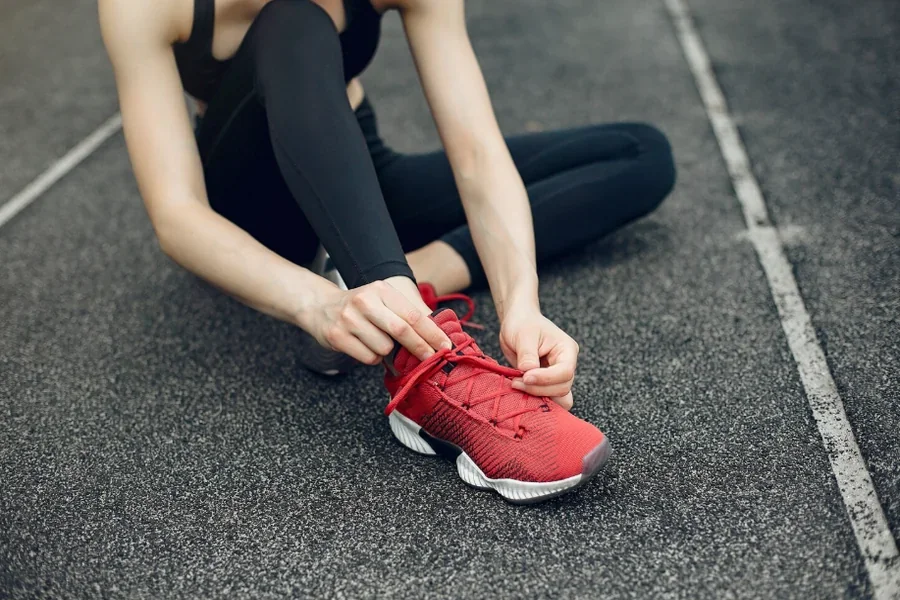
Your running environment influences the type of shoe you need. Road running shoes are designed for smooth surfaces and focus on cushioning and responsiveness. Trail running shoes offer grip, stability, and protection from uneven terrain. Hybrid shoes fall between the two and are suitable for mixed surfaces.
Pick a pair that matches where you train most often. This improves safety, comfort, and performance.
FAQs
What is the most important factor when choosing running shoes?
The most important factor is fit. A shoe that fits your foot shape and running style will always perform better and help prevent injuries.
How often should I replace my running shoes?
Most runners replace their shoes every 600 to 800 kilometres. If you notice discomfort, reduced cushioning, or worn-out tread, it is time for a new pair.
Are expensive running shoes always better?
Not always. Price reflects design and materials, but the best shoe is the one that matches your foot type and running needs, regardless of cost.
Is it bad to use running shoes for daily walking?
It is fine occasionally, but using them regularly for walking can cause them to wear out faster, reducing their effectiveness during runs.