
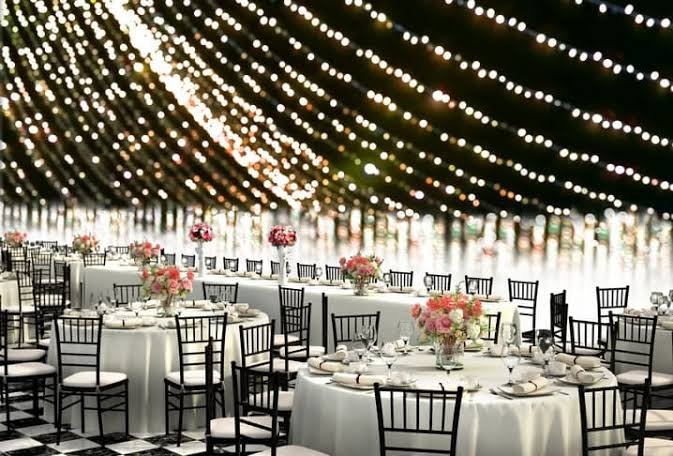
The choice of venue plays a pivotal role in determining an event’s success. A well-chosen location establishes the desired atmosphere, accommodates guests comfortably, and aligns seamlessly with the event’s objectives. Beyond setting the tone, it impacts logistics such as accessibility, catering, and technical requirements. A private room dining Singapore venue that meets these considerations not only enhances attendees’ experiences but also reflects positively on the organiser, laying the foundation for a memorable and effective event.
Defining the Event and Its Requirements
Understanding the nature of an event is essential for effective planning. You can also check out righterofwords.com for more details on this topic. Corporate lunches, birthday celebrations, and private gatherings each carry distinct expectations. A corporate lunch prioritises professionalism and networking opportunities, while a birthday dinner emphasises entertainment and personal touches. Recognising these nuances allows organisers to tailor their approach, ensuring a cohesive and satisfying experience for all participants.
Furthermore, identifying personal or organisational priorities ensures that decisions align with overarching goals. By assessing both practical and emotional needs, organisers can create events that resonate with their audience, fostering engagement and satisfaction.
Key Considerations for Corporate Lunch Venues
When planning a corporate lunch, the size and composition of the group must be taken into account. Ensuring that staff levels match operational requirements prevents overextension of resources and promotes efficiency. Proper assessment supports a productive environment, enhancing overall performance across departments.
Location and accessibility remain critical factors. Conveniently situated venues attract a broader audience and simplify participation, while proximity to essential services such as transportation, parking, and dining options improves overall usability. Strategically placed venues maximise attendance and engagement, directly benefiting organisational objectives.
Evaluating the venue’s features and services is equally important. Seating capacity, technological support, and accessibility should meet the event’s demands, while amenities like catering options and recreational spaces enhance comfort and enjoyment. A comprehensive assessment ensures that both practical needs and attendee expectations are fulfilled.
A supportive environment also contributes significantly to engagement. Comfortable surroundings, ample resources, and positive interpersonal dynamics promote productivity and collaboration. When participants feel valued, motivation rises, resulting in higher levels of performance and a more successful event.
Selecting the Ideal Birthday Dinner Venue
Understanding the birthday celebrant’s preferences is essential. Considering their interests, personality, and desired experience informs choices regarding themes, activities, and gifts. Observing reactions or discussing options provides insight, enabling a celebration that truly reflects the individual’s tastes.
Accurately estimating the number of attendees is crucial for planning. Evaluating past events, consulting guest lists, and considering venue capacity ensure resources are allocated appropriately. Effective planning reduces logistical challenges and enhances overall enjoyment for all participants.
Amenities such as dining options, menu variety, and dietary accommodations must be reviewed carefully. A pleasant atmosphere, combined with high-quality cuisine that caters to diverse needs, ensures guest satisfaction and a seamless experience.
Finally, the venue’s atmosphere plays a central role in fostering engagement and enjoyment. A vibrant, festive setting encourages interaction, strengthens relationships, and leaves lasting impressions. By creating an environment that balances comfort and energy, organisers can deliver truly memorable celebrations.
Planning Private Events
Private events demand a detailed understanding of the occasion and its specific requirements. Whether a corporate meeting or social gathering, organisers must assess needs, including venue size, catering, and entertainment. Addressing these elements ensures that logistics align with expectations, resulting in a cohesive and memorable experience.
Guest comfort and accessibility are paramount. Venues should accommodate diverse needs through accessible entrances, restrooms, and thoughtful layouts. A welcoming atmosphere, enhanced by careful decor and amenities, fosters inclusivity and reinforces the importance of hospitality.
Privacy and security considerations must also be addressed. Venues should maintain robust protocols for safeguarding personal information and controlling access. Evaluating these measures ensures trust and compliance while creating a secure environment for attendees.
Additional services, such as catering, decorations, and technical support, should be explored to streamline planning. Awareness of available packages or add-ons allows organisers to craft a cohesive event experience that meets both practical and aesthetic goals.
Budgeting and Financial Planning
Establishing a budget before venue selection is crucial for effective financial management. A defined budget enables efficient resource allocation, minimises overspending, and ensures that event objectives are achieved within financial constraints. Transparent pricing, including potential hidden costs, allows informed comparisons and supports sound decision-making.
Negotiating fees requires preparation and research. Understanding market rates, demonstrating genuine interest, and exploring discounts for off-peak dates or group bookings can secure favourable terms. Flexibility and clear communication with venue providers enhance outcomes and ensure that budgetary limits are respected.
Making a Reservation
Securing a venue in advance is essential for smooth event execution. Early booking guarantees availability, allows sufficient time for logistical arrangements, and often provides more competitive pricing. Clear communication with venue staff covering needs, preferences, and expectations ensures alignment and minimises misunderstandings. Confirming details in writing completes the process, fostering confidence and seamless coordination on the day of the event.