
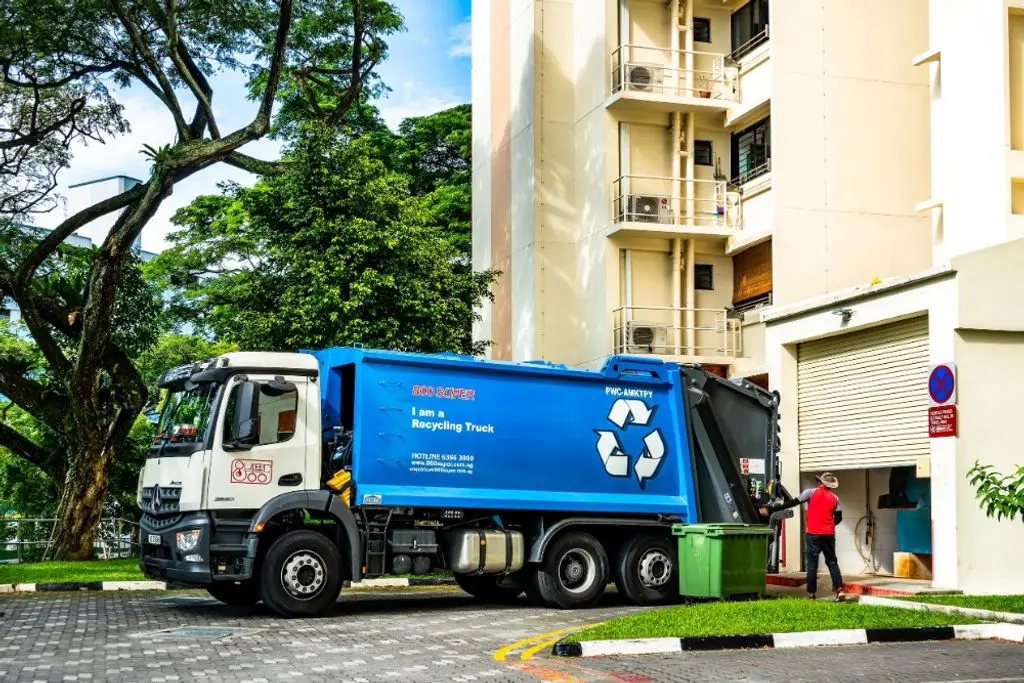
Effective waste management is essential for environmental sustainability, public health, and resource conservation. Proper disposal practices help reduce pollution, minimise landfill waste, and promote recycling, ensuring a cleaner and safer environment for future generations. Improper waste disposal can severely impact air, water, and soil quality, creating health risks and environmental hazards. Addressing these challenges requires professional, eco-friendly waste disposal services that prioritise sustainability and community well-being. Such services not only reduce environmental harm but also encourage responsible behaviour and raise awareness about the importance of managing waste responsibly.
Understanding Waste Management
Waste management refers to the systematic collection, treatment, and disposal of waste materials in a manner that reduces their impact on human health and the environment. Effective waste management protects ecosystems, promotes public health, and supports socio-economic development by conserving resources and minimising pollution. Traditional waste disposal methods, such as open landfills and uncontrolled incineration, face numerous challenges, including limited capacity, harmful emissions, and long-term environmental degradation. These limitations highlight the need for more sustainable and comprehensive approaches to waste management.
Comprehensive Waste Disposal Services
Comprehensive waste disposal services address the needs of households, businesses, and industries, offering a complete solution for handling different types of waste. These services encompass collection, transportation, recycling, treatment, and safe disposal. They also incorporate innovative sorting technologies and green initiatives to encourage recycling and reduce pollution. A service is considered comprehensive when it includes regular waste collection, environmentally safe disposal methods, recycling programmes, education on waste reduction, proper handling of hazardous materials, adherence to regulatory standards, and responsive customer support. Companies offering such services deliver tangible benefits, including efficient waste management, reduced environmental impact, improved public health, regulatory compliance, and promotion of sustainable practices.
Eco-Friendly Methods in Waste Disposal
Eco-friendly waste disposal focuses on recycling, composting, and reducing reliance on landfills. These practices conserve resources, minimise pollution, and help protect biodiversity. Many companies in Singapore are integrating sustainable methods into their services, using renewable materials, energy-efficient processes, and waste-to-resource strategies. By adopting eco-friendly practices, organisations reduce their ecological footprint while offering clients responsible disposal solutions. Success stories of businesses implementing such approaches demonstrate significant environmental and economic benefits, including lower operational costs, stronger brand reputation, and increased community engagement.
The Impact of Eco-Friendly, Comprehensive Waste Disposal Services
Comprehensive, eco-friendly waste disposal services have a measurable impact on both the environment and society. By optimising waste collection, treatment, and recycling, these services help reduce carbon emissions and decrease pollution levels. Environmentally conscious disposal practices contribute to healthier communities while promoting the circular economy, which encourages the reuse of materials and reduces landfill dependency. Economic benefits also arise from the growth of recycling industries, the creation of green jobs, and decreased costs associated with landfill operations. Additionally, proper waste management improves public health by limiting exposure to hazardous materials and supporting hygienic living conditions, as highlighted on wendyreicher.
Future of Waste Management
The future of waste management in Singapore is increasingly focused on sustainability. Trends include the adoption of smart bins, waste-to-energy technologies, and circular economy practices that maximise resource efficiency while minimising environmental impact. Advancements in biodegradable materials and recycling processes are expected to further reduce reliance on landfills and promote eco-friendly disposal. Both individuals and organisations can adapt by embracing sustainable habits, supporting innovative technologies, and staying informed about regulatory and environmental developments. Preparing for these changes ensures that communities remain resilient while contributing positively to a cleaner, greener future.
Conclusion
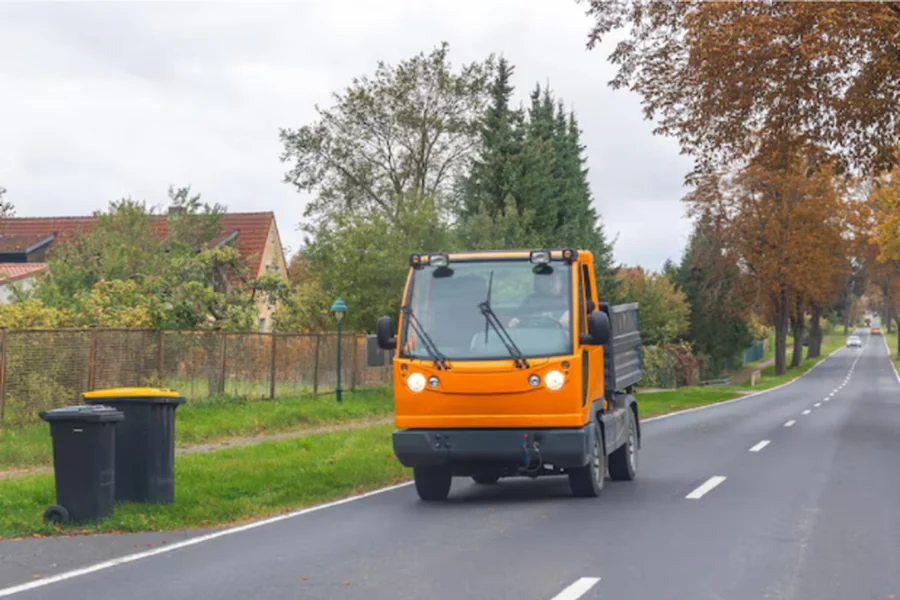
Comprehensive and eco-friendly waste disposal services play a critical role in creating sustainable, healthy, and efficient communities. By integrating responsible collection, recycling, and disposal methods, these services reduce pollution, conserve resources, and enhance public health. As environmental awareness grows, adopting sustainable waste management practices is no longer optional but essential for safeguarding our planet. Both businesses and individuals benefit from professional waste disposal solutions, which offer convenience, regulatory compliance, and tangible environmental advantages. Investing in eco-friendly waste management today ensures a cleaner, safer, and more sustainable world for generations to come.