
The Composition of White Gold
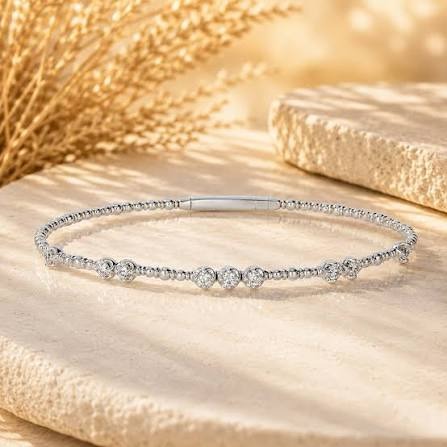
A white gold bracelet is an exquisite accessory that embodies both elegance and versatility, making it a staple in any jewellery collection. Known for its subtle shine and enduring appeal, white gold has captivated jewellery enthusiasts for decades. Its allure comes not only from its striking appearance but also from its unique composition and the artistry involved in its creation. White gold bracelets combine aesthetic beauty with durability, offering a piece that complements any wardrobe while maintaining long-lasting value.
White gold is not a naturally occurring metal but an alloy created by combining pure gold with white metals such as palladium, nickel, or silver. This combination enhances the strength and durability of gold while giving it a lustrous, silver-like finish. The exact percentage of metals in the alloy can vary, affecting the final colour, weight, and properties of the piece. Typically, jewellery-grade white gold is either 14K or 18K, referring to the proportion of pure gold in the alloy. An 18K white gold bracelet contains 75% gold, while a 14K bracelet contains approximately 58.3%. The careful blending of metals ensures that each bracelet is not only visually appealing but also robust enough for daily wear.
The Role of Rhodium Plating
A crucial step in the creation of white gold jewellery is rhodium plating. Rhodium, a rare and precious metal in the platinum family, provides a brilliant white hue and acts as a protective layer over the gold alloy. While white gold itself may have a slightly yellow tint due to its gold content, rhodium plating delivers the bright, reflective finish highly desired in fine jewellery. Over time, this plating can wear down, making periodic replating essential to restore the bracelet’s original sheen and maintain its durability.
White Gold Compared to Other Precious Metals
White gold is often compared to other popular metals, such as platinum and silver, each with unique qualities. Platinum is naturally white, highly durable, and resistant to tarnish, but it comes at a higher cost than white gold. Silver, while affordable and visually appealing, lacks the same strength and is prone to tarnishing over time. White gold offers a harmonious balance between beauty, resilience, and affordability, making it an ideal choice for bracelets that are both stylish and enduring.
Historical Context and Popularity
The popularity of white gold jewellery dates back to the early 20th century, particularly during the Art Deco era of the 1920s and 1930s, when demand for white metals surged. At that time, platinum was the preferred choice for fine jewellery. However, scarcity and high costs during and after World War I led jewellers to seek alternative materials. White gold emerged as a practical yet luxurious substitute, offering a similar appearance at a more accessible price. Since then, it has maintained its status as a versatile and desirable metal, cherished for its timeless elegance.
Varieties and Styles of White Gold Bracelets
White gold bracelets come in an array of styles to suit diverse tastes and occasions. From simple bangles to intricate cuffs and gemstone-adorned pieces, white gold offers endless possibilities. Bangles and cuffs, often rigid and sleek, can be worn alone for a minimalist effect or stacked with other bracelets for a layered look. Tennis bracelets, characterised by a continuous line of diamonds or gemstones, are known for their understated elegance, enhanced by the reflective qualities of white gold. Charm bracelets also benefit from the neutral tone of white gold, which complements a variety of charms and enamel designs, allowing for personalisation. Link bracelets, featuring interlinked chains, offer flexibility and comfort, ranging from delicate and subtle to bold statement pieces, depending on the link size and design. Each style highlights the versatility of white gold, making it suitable for both casual and formal wear.
Making a Statement
A white gold bracelet is more than an accessory—it is a statement piece. Its reflective nature amplifies the brilliance of any embedded gemstones, creating an eye-catching focal point. Whether chosen as a personal indulgence or a meaningful gift, a white gold bracelet communicates sophistication and style. The understated elegance of white gold ensures that it complements any ensemble, while its craftsmanship and shine draw attention to the wearer.

Choosing the Right Piece
Selecting the perfect white gold bracelet depends on the intended use, style preference, and lifestyle of the wearer. For daily wear, a simple bangle or slim-line bracelet is ideal, combining durability with subtle elegance. For special occasions, a diamond-encrusted tennis bracelet or a bold cuff can provide a more dramatic effect. Personal taste, wrist size, and compatibility with other jewellery are important considerations when choosing a piece that will be cherished for years.
Care and Maintenance
Maintaining a white gold bracelet requires careful attention to preserve its lustre. Regular polishing and replating are recommended to maintain the rhodium coating and protect the metal underneath. When not in use, bracelets should be stored in a soft pouch or a lined jewellery box to prevent scratches. Routine cleaning with a mild soap and water solution and a soft cloth helps remove dirt, oils, and other residues. With proper care, a white gold bracelet can retain its shine and elegance for decades, becoming a lasting heirloom.
Ethical Considerations
Modern consumers are increasingly aware of ethical concerns surrounding the sourcing of gold and gemstones. Responsible jewellery practices emphasise the use of conflict-free diamonds and sustainably mined gold. When purchasing a white gold bracelet, it is advisable to seek jewellers who provide transparency about the sourcing of their materials. Ethical sourcing not only ensures the integrity of the piece but also supports sustainable and socially responsible practices within the jewellery industry.
The Everlasting Appeal
Despite evolving fashion trends, white gold jewellery remains timeless. A white gold bracelet is a symbol of sophistication and class, offering versatility that complements any style or occasion. Its understated elegance allows it to transcend generations, making it a cherished addition to any collection. Whether chosen for personal enjoyment or as a treasured gift, the classic appeal of white gold ensures that it remains a staple in jewellery collections worldwide. Its combination of beauty, durability, and refinement continues to make it an enduring favourite among jewellery enthusiasts.