
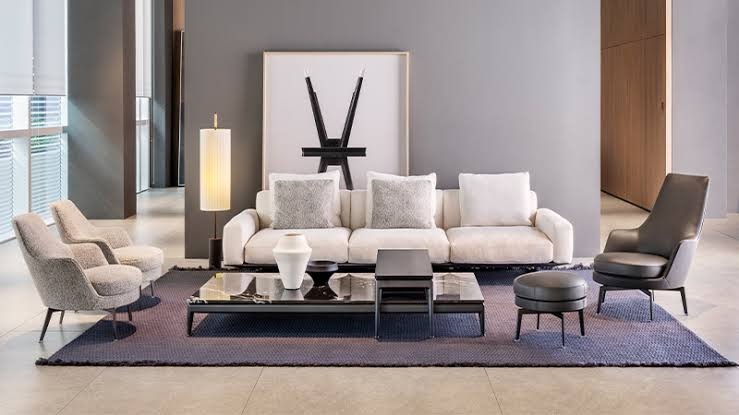
The Rise of Modern Furniture in Singapore
As Singapore continues its rapid urban development, the landscape of home décor has evolved dramatically. The growing demand for modern furniture singapore reflects homeowners’ preference for sleek designs that maximise space while maintaining everyday comfort. Modern furniture in Singapore now exemplifies a perfect balance between style and functionality, catering to residents who seek both sophistication and practicality. This vibrant market mirrors global design trends while incorporating local cultural elements that define Singaporean taste, offering solutions that are both contemporary and deeply rooted in tradition.
The Rise of Modern Minimalism
Minimalism has emerged as a dominant design philosophy in Singapore in recent years. Influenced by Scandinavian and Japanese aesthetics, modern furniture often features clean lines, natural materials, and muted colour palettes. This approach maximises space in compact urban homes while promoting a sense of calm and order. By prioritising simplicity, minimalism also encourages functional living without unnecessary clutter, creating environments that are both aesthetically pleasing and highly practical.
Singapore’s Role in the Global Design Scene
Singapore has grown into a pivotal player in the international furniture and design market. Hosting design festivals and exhibitions, such as the annual Singapore Design Week, the city attracts enthusiasts from around the globe. These events showcase the latest innovations and sustainable practices in furniture design, enabling local designers to engage with global trends while sharing their unique perspectives. The result is a dynamic exchange of ideas that positions Singapore as a hub for creativity and innovation in modern furniture.
Sustainability in Modern Furniture
With growing awareness of environmental impact, eco-friendly furniture has become increasingly popular in Singapore. Many companies now commit to sustainable practices, from sourcing ethically produced materials to employing eco-conscious manufacturing processes. Designing furniture with longevity in mind not only benefits the environment but also appeals to consumers who prioritise sustainable living. Singaporean brands are increasingly demonstrating that stylish, modern furniture can also be green and responsible.
Eco-Friendly Materials
Sustainable materials are a hallmark of modern furniture in Singapore. Recycled wood, bamboo, and other rapidly renewable resources are commonly used to craft durable, stylish pieces. Additionally, biodegradable or sustainably produced fabrics are being incorporated into upholstery, reflecting a broader commitment to environmentally conscious design. These choices enable consumers to furnish their homes elegantly while remaining mindful of their ecological footprint.
Space-Saving Designs for Urban Living
Given Singapore’s high population density and premium real estate market, space-saving furniture has become essential. Multifunctional pieces, such as sofa beds, expandable dining tables, and modular storage units, allow homeowners to maximise utility without compromising aesthetics. These designs maintain a clutter-free environment, which is a cornerstone of modern living. For residents of compact apartments, such innovative solutions are invaluable, offering both convenience and style.
The Influence of Technology on Modern Furniture
Technology is reshaping the furniture industry in Singapore, from virtual reality showrooms to smart, tech-enhanced furnishings. Innovations such as integrated charging stations, app-controlled lighting, and customisable ergonomic designs cater to tech-savvy consumers. By bridging the gap between traditional design and modern technology, Singapore demonstrates how contemporary furniture can seamlessly enhance everyday life.
Virtual and Augmented Reality
Retailers are leveraging virtual and augmented reality tools to improve the customer experience. These technologies allow buyers to visualise how furniture pieces will fit and complement their living spaces before making a purchase. This immersive approach helps customers make informed decisions, reduces the likelihood of returns, and transforms furniture shopping into a highly engaging digital experience.
The Role of Craftsmanship and Customisation
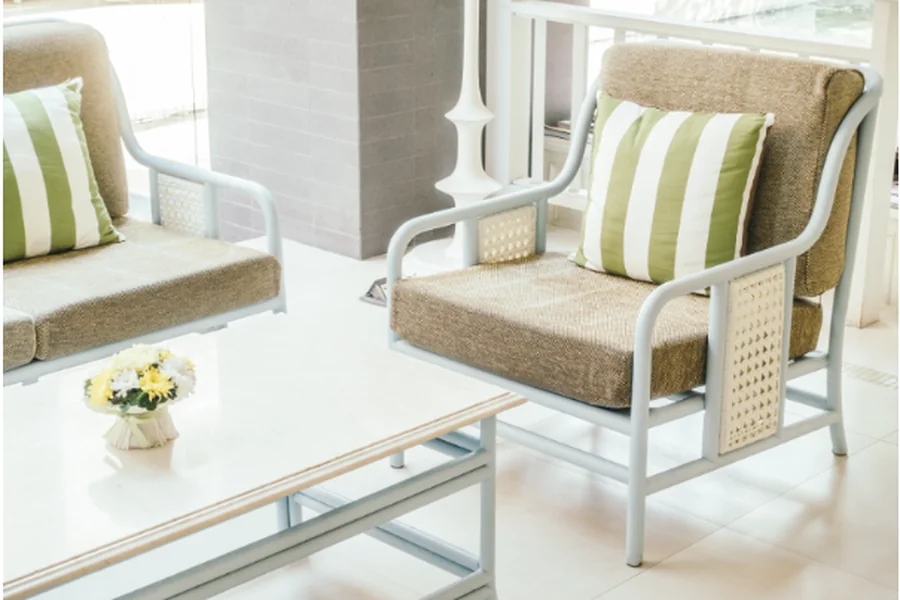
While mass-produced items are readily available, bespoke furniture is gaining traction among discerning consumers. Artisans in Singapore offer customisation options that allow for personal expression while adhering to modern design principles. By blending craftsmanship with personalisation, furniture pieces are not only visually appealing but also functionally suited to their intended spaces, creating homes that reflect individuality and style.
Integration of Traditional Elements
Despite the emphasis on contemporary design, Singaporean furniture often incorporates elements of traditional Asian aesthetics. This fusion results in pieces that honour cultural heritage while embracing modern simplicity. By marrying the old with the new, designers offer furniture that feels both fresh and familiar, resonating deeply with local sensibilities while appealing to international audiences.
Local Designers Making an Impact
Singapore is home to talented local designers who are reshaping the modern furniture scene. Designers like Nathan Yong and Gabriel Tan have gained international recognition for their innovative work, which blends Eastern and Western influences. Their creations emphasise understated elegance, functionality, and meticulous attention to detail, establishing Singapore as a creative force in the global design community.
Shopping for Modern Furniture in Singapore
Singapore offers a wide range of retail options for modern furniture, from flagship stores of international brands to homegrown boutique studios. This diversity ensures that consumers can find pieces that suit their tastes, budgets, and lifestyles. The availability of both accessible and luxury offerings makes Singapore a prime destination for those seeking contemporary home furnishings.
Flagship Stores and Showrooms
Major furniture brands have established extensive showrooms, providing customers with the opportunity to experience modern designs firsthand. These spaces allow shoppers to explore different configurations, materials, and finishes, offering a comprehensive understanding of how pieces will function in their homes.
Boutique Designers and Artisanal Studios
At the other end of the spectrum, boutique studios focus on craftsmanship and limited-edition pieces. These establishments provide personalised services and bespoke furniture that cater to the unique needs and tastes of individual customers, delivering an exclusive and highly customised experience.
Challenges and Future Directions
Despite its growth, the modern furniture industry in Singapore faces challenges such as rising material costs, intensifying competition, and the need to adopt sustainable practices. Overcoming these hurdles requires innovation, quality control, and continued adaptation. As consumer expectations evolve, the industry is likely to embrace emerging trends in technology, sustainability, and personalisation to remain competitive.
Innovations and Trends
The future of modern furniture in Singapore will be shaped by advancements in materials science and digital technology. Innovations like 3D printing, smart home integration, and augmented reality applications promise to transform both the design and purchasing experience. These developments allow for highly customisable, functional, and visually stunning furniture that meets the needs of modern urban living.
Conclusion
Modern furniture in Singapore represents a dynamic blend of cultural heritage, sustainability, technological innovation, and design excellence. The market reflects the city’s capacity to anticipate global trends while infusing local character, resulting in furniture that is both practical and aesthetically refined. As Singapore continues to embrace innovation and creativity, the modern furniture landscape is poised to remain a beacon of contemporary design, offering residents functional, stylish, and environmentally conscious solutions for the home.