
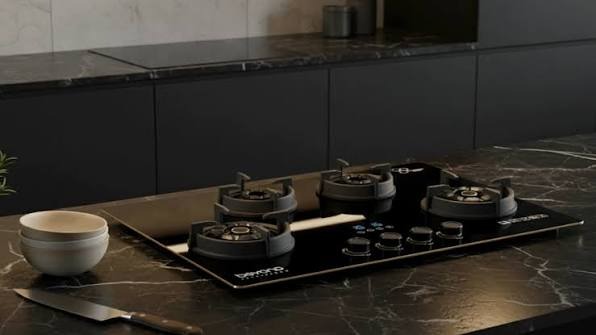
Gas cooker hobs have long been a staple in many kitchens due to their ability to provide quick, controllable heat. Compared to their electric or induction counterparts, gas hobs allow for greater precision in cooking, which is why they are preferred by professional chefs and home cooks alike. In Singapore, where kitchen space is often limited and cooking efficiency is highly valued, brands like Fujioh Singapore offer a wide range of gas cooker hobs designed to meet the diverse needs of households.
Advantages of Gas Cooker Hobs
Gas hobs are appreciated for several key advantages. Firstly, they offer instant heat. When a gas hob is turned on, the flame provides immediate heat to the pot or pan, unlike electric hobs that take time to heat up. This instant heat is particularly beneficial for tasks that require a quick temperature rise, such as stir-frying—a common practice in Asian cuisines.
Moreover, gas hobs grant superior control over cooking temperatures. The flame intensity can be finely adjusted, allowing cooks to easily switch from a rapid boil to a gentle simmer. This precision is invaluable when preparing complex dishes where timing and temperature are critical.
Another notable advantage is the even distribution of heat. Gas hobs produce a flame that wraps around the cookware, ensuring even heating. This reduces the risk of hotspots that could lead to uneven cooking, an issue more commonly associated with electric hobs.
Considerations and Features
When selecting a gas cooker hob, several considerations and features should be taken into account. Safety is paramount. Many modern hobs are equipped with safety features like flame failure devices, which automatically cut off the gas supply if the flame is extinguished accidentally. This feature provides peace of mind, especially in households with young children or for those who may be prone to distractions.

Additionally, the design and material of the hob can enhance both aesthetics and function. Stainless steel models are popular for their durability and ease of cleaning, while glass-topped gas hobs offer a sleek, modern appearance. The layout of the burners also matters; hobs with multiple burners of varying sizes provide versatility, accommodating everything from small saucepans to large woks.
Environmental and Economic Considerations
In the context of environmental impact and cost-effectiveness, gas hobs often come out ahead. Natural gas is generally considered a more environmentally friendly option than electricity generated from fossil fuels. By using gas, households may reduce their carbon footprint, especially when the electricity grid relies heavily on coal or oil.
Economically, gas hobs can be more cost-effective over time. Although the initial purchase price might be comparable to or slightly higher than that of electric hobs, the ongoing operating costs are often lower. This is due to the cheaper cost per unit of energy for natural gas compared to electricity.
Maintenance and Care
To ensure longevity and performance, regular maintenance and care of gas hobs are essential. Cleaning should be done with care to prevent clogging of the burners, as blockages can lead to inefficient burning and possible safety hazards. Removing the burner parts and cleaning them periodically with warm, soapy water can help maintain their function. The hob surface should also be wiped down regularly to prevent the build-up of food residues and grime.
For more comprehensive maintenance, referring to the manufacturer’s guidelines is advisable. Proper maintenance not only extends the life of the appliance but also ensures consistent performance over time.
Trends and Innovations
The landscape of gas cooker hobs is also evolving with advancements in technology. Modern hobs now often feature electronic ignition systems, eliminating the need for matches or lighter ignitions, which enhances safety and convenience. Additionally, some models come with integrated timers and digital controls, offering precision in cooking times and temperatures that were previously exclusive to electric or induction models.
Further innovation can be seen in the incorporation of hybrid models that combine gas with induction elements, offering cooks the best of both worlds. These hybrid hobs cater to a growing market demand for energy-efficient solutions that do not compromise on the cooking performance gas hobs are known for.
Conclusion
Gas cooker hobs remain a popular and practical choice for many kitchens, offering benefits in speed, precision, and cost-efficiency. They suit a variety of culinary styles and preferences, especially in regions like Singapore, where diverse cooking methods are celebrated. With continuous innovations and a strong focus on safety and environmental impact, gas hobs are likely to remain a cornerstone of kitchen design for years to come.