
Situated in Tanjong Pagar, one of Singapore’s most established dining districts, this Italian restaurant presents a thoughtful interpretation of Italy’s culinary heritage. It offers more than a meal; it presents a carefully composed experience shaped by tradition, produce, and hospitality. As a distinguished italian restaurant in tanjong pagar, it continues to attract diners who appreciate authentic flavours paired with a refined yet welcoming atmosphere. Regular patrons include nearby office workers, long-term residents, and travellers seeking familiar European flavours within a Southeast Asian setting.
The restaurant has built its reputation through consistency, restraint, and respect for classic methods. Rather than chasing trends, it focuses on cooking that honours regional Italian recipes and highlights quality ingredients.
Roots of Italian Influence in Tanjong Pagar
Italian cuisine has long held a place within Singapore’s dining culture. Expatriate communities introduced family recipes, which gradually gained a following among locals. Over time, restaurants began refining these dishes to suit Singapore’s ingredient supply and dining preferences.
This particular establishment reflects that evolution. It draws inspiration from regions across Italy, from Lombardy to Tuscany, yet adapts gently to local availability of produce. The kitchen sources vegetables, seafood, and herbs from trusted suppliers within Singapore wherever possible. Imported ingredients such as Parmigiano-Reggiano, olive oil, and cured meats maintain authenticity without compromising freshness.
The result is cooking that respects its origins and remains grounded in its surroundings.
Interior and Atmosphere
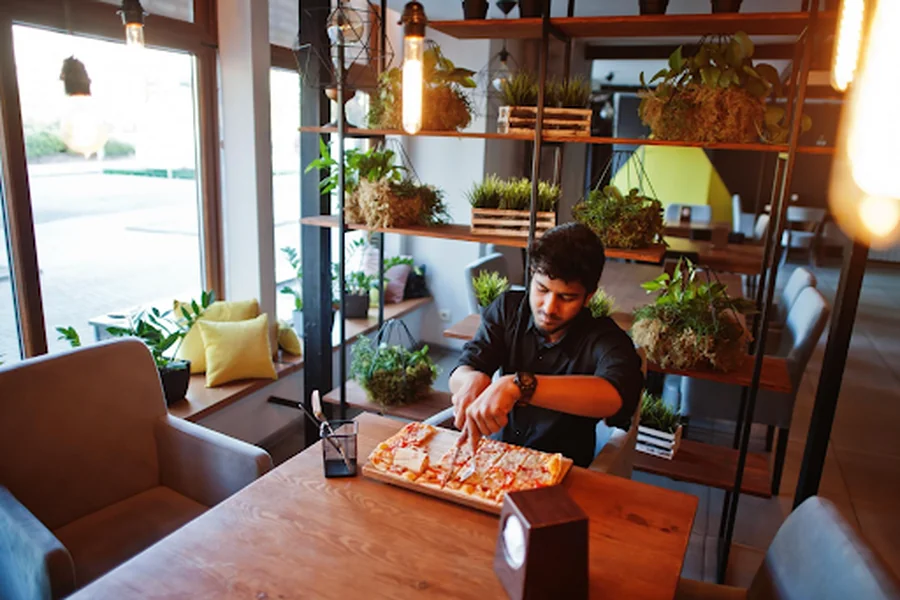
The dining room balances warmth with understated refinement. Wooden tables, soft lighting, and neutral tones create a setting that encourages conversation. Vintage Italian prints line the walls, and shelves display bottles of wine from across Italy. The layout allows both intimate dinners and larger gatherings without overcrowding the space.
Unlike louder venues in the area, this restaurant favours a calmer tone. Guests can settle into their seats and take their time, whether meeting colleagues after work or celebrating a family occasion.
A Menu Rooted in Italian Tradition
The menu follows the structure of a traditional Italian meal, progressing from light starters to hearty mains and concluding with dessert. Each course reflects regional influences and classical preparation methods.
Antipasti
The opening course introduces simple, balanced flavours. Bruschetta arrives topped with ripe tomatoes, basil, and olive oil on toasted bread. Thin slices of beef carpaccio are dressed with lemon and shaved Parmesan. Seasonal vegetables appear in salads or grilled platters, highlighting freshness over complexity.
These dishes are designed to awaken the appetite without overwhelming it. Portion sizes are measured, allowing diners to enjoy multiple courses comfortably.
Pasta and Risotto
Pasta remains central to the kitchen’s identity. Handmade varieties change periodically, yet several favourites remain on the menu. Pappardelle is paired with a slow-cooked beef ragu that develops depth over hours of gentle simmering. Ravioli filled with ricotta and spinach are finished with sage butter. Each sauce complements the pasta shape rather than overpowering it.
Risotto receives similar care. Arborio rice is stirred gradually with stock until it reaches a creamy consistency. Variations may include wild mushrooms, seafood, or saffron. The technique requires patience and attention, and the kitchen approaches it with discipline.
Secondi
Main courses highlight Italy’s regional diversity. Osso buco draws inspiration from Lombardy, with braised veal shank served alongside a delicate gremolata. Bistecca alla Fiorentina features a thick T-bone steak grilled with restraint and seasoned simply with salt and olive oil.
Seafood options reflect Singapore’s coastal setting. Fresh fish may be baked with herbs or pan-seared and paired with seasonal vegetables. Each dish relies on careful preparation rather than elaborate presentation.
Dolci
Desserts complete the meal with balanced sweetness. Tiramisu layers espresso-soaked savoiardi biscuits with mascarpone cream. Panna cotta is served with fruit compote for contrast. These dishes remain faithful to traditional recipes and avoid excessive embellishment.
Wine and Aperitifs
An Italian meal benefits from a suitable wine pairing. The restaurant’s wine list includes bottles from Tuscany, Piedmont, and Sicily. Guests unfamiliar with Italian varietals receive thoughtful guidance from the service team, who recommend pairings based on flavour profiles rather than price.
Aperitifs such as the Aperol Spritz provide a refreshing start to dinner. Classic Italian liqueurs and espresso-based drinks round off the experience.
Responsible Sourcing and Kitchen Practices
The restaurant operates with a clear awareness of ingredient sourcing and waste management. Organic vegetables appear when available, and partnerships with local suppliers reduce reliance on long-distance transport. Portions are calibrated carefully to reduce waste without compromising satisfaction.
Kitchen processes are structured to reuse trims and by-products wherever appropriate. Stocks are made from bones and vegetable offcuts. Bread that remains unsold may be transformed into crumbs or incorporated into other dishes. These practices reflect an organised approach rather than a marketing statement.
The Team Behind the Kitchen
The restaurant’s direction stems from a head chef trained in Italy. Years spent working in regional kitchens shaped his approach to ingredients and timing. His leadership influences both the technical discipline in the kitchen and the calm pace of service.
Front-of-house staff contribute equally to the dining experience. Their knowledge of the menu allows them to explain dishes clearly, and their manner remains attentive without intrusion. This balance reinforces the welcoming tone associated with Italian hospitality.
Engagement with the Local Community
Beyond daily service, the restaurant participates actively in the neighbourhood. Cooking workshops introduce participants to pasta-making techniques and regional recipes. Wine appreciation evenings explore Italian grape varieties and pairing principles.
These events attract both newcomers and regular patrons. They strengthen the connection between the restaurant and the surrounding community, reinforcing its role within Tanjong Pagar rather than positioning it as a detached destination venue.

Looking Ahead
The restaurant continues refining its offerings through seasonal menu adjustments and guest chef collaborations. Short tasting menus may appear during festive periods, highlighting regional themes or specific ingredients. Such initiatives reflect a steady commitment to growth without abandoning core principles.
As dining preferences shift in Singapore, this establishment maintains its focus on craft, clarity of flavour, and measured hospitality.
Conclusion
This Italian restaurant in Tanjong Pagar stands as a steady presence within Singapore’s dining scene. Through disciplined cooking, careful sourcing, and thoughtful service, it presents Italian cuisine with integrity and restraint. Each course reflects respect for regional traditions, yet the experience remains firmly rooted in its Singaporean setting.