
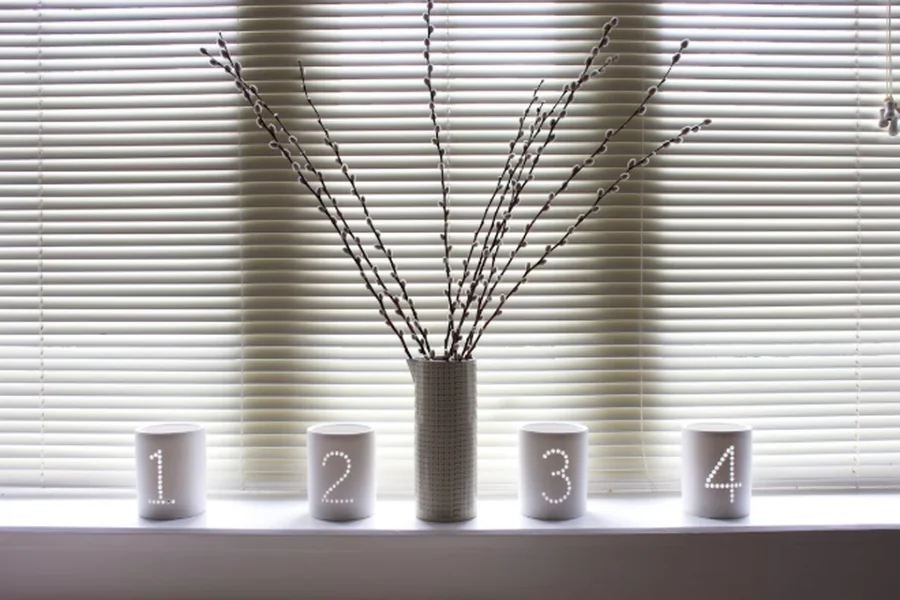
Selecting appropriate window blinds requires careful consideration of both function and appearance. With numerous materials, mechanisms and design styles available, homeowners must evaluate how each option performs within specific rooms. Well-chosen blinds regulate light, enhance privacy, contribute to energy efficiency and complement the overall interior scheme. When incorporating custom window blinds, they should align with the wider design concept while addressing the practical demands of daily living.
Understanding the Main Types of Blinds
Venetian Blinds
Venetian blinds are defined by horizontal slats that can be tilted to adjust light and privacy. Common materials include aluminium, timber and PVC. Their adjustable structure allows occupants to fine-tune the amount of daylight entering a room without fully raising the blind. Aluminium versions are often selected for contemporary kitchens or offices due to their clean lines and durability. Timber alternatives introduce warmth and texture, making them suitable for living rooms or studies. Faux wood provides a similar appearance while offering improved moisture resistance.
Roman Blinds
Roman blinds are fabric panels that fold into soft pleats when raised. They offer a streamlined alternative to curtains while retaining a sense of softness. Available in a wide variety of fabrics, from lightweight linens to heavier woven textiles, Roman blinds suit bedrooms and reception areas where a layered look is preferred. Lined or blackout versions are particularly useful in bedrooms, helping to limit unwanted light and improve sleep conditions.
Roller Blinds
Roller blinds consist of a single fabric sheet that wraps around a cylindrical tube. Their straightforward design makes them one of the most practical and versatile choices. They are available in sheer, light-filtering and blackout fabrics, allowing flexibility across different rooms. Moisture-resistant finishes make them suitable for kitchens and bathrooms. In minimalist interiors, roller blinds can sit discreetly within a recess, while patterned fabrics can serve as a subtle focal point.
Vertical Blinds
Vertical blinds feature upright slats that rotate for light control and slide sideways for access to doors or wide windows. They are particularly effective for patio doors, large glazed areas or offices. Their vertical lines can emphasise ceiling height, contributing to a sense of space. PVC and fabric options are common, with wipe-clean finishes ideal for busy households.
Pleated Blinds
Pleated blinds are formed from folded fabric that compresses neatly when raised. Many designs incorporate a honeycomb structure that traps air, improving insulation. This feature makes them suitable for conservatories, sunrooms or spaces with significant solar exposure. Their compact design also allows them to fit neatly within smaller window frames.
Key Functional Considerations
Light Management
Each room requires a different approach to light control. Living areas may benefit from adjustable slatted blinds that balance daylight with reduced glare. Bedrooms and media rooms often require blackout fabrics to create a darker environment. Layering blinds with curtains can provide additional flexibility, particularly in multifunctional spaces.
Privacy Requirements
Windows facing neighbouring properties or public spaces demand greater privacy. Opaque or lined fabrics provide effective screening. Adjustable slatted blinds allow natural light to enter while limiting direct visibility. Frosted or textured finishes can also enhance discretion without sacrificing brightness.
Energy Performance
Blinds can contribute to maintaining indoor temperature. Insulating materials help reduce heat loss during colder months and limit solar gain in summer. Honeycomb pleated blinds are especially effective due to their air-trapping design. Thermal linings in Roman or roller blinds also improve efficiency. Selecting suitable blinds for sun-exposed windows can support reduced reliance on artificial heating and cooling.
Safety Features
Households with children or pets should prioritise safety-conscious designs. Cordless systems or tensioned mechanisms minimise potential hazards. Many contemporary blinds are manufactured to meet safety standards while retaining ease of use.

Measuring and Fitting
Precise measurement is essential to achieve a functional and visually balanced result. Homeowners must decide whether blinds will sit within the recess or overlap the window frame. Measurements should account for handles, trims and any structural irregularities. While many blinds can be installed using standard tools, professional fitting may be advisable for large windows, motorised systems or bespoke products to ensure alignment and smooth operation.
Maintenance and Longevity
Material choice influences upkeep requirements. Aluminium and faux timber blinds can be cleaned with a damp cloth and require minimal maintenance. Fabric blinds may need occasional vacuuming or spot treatment to prevent dust build-up. In areas exposed to humidity, moisture-resistant materials reduce the risk of warping or staining. Considering long-term durability helps prevent premature replacement and ensures consistent performance.
Budget and Value
Costs vary depending on material, size and level of customisation. Ready-made blinds are generally more economical and suitable for standard window sizes. Made-to-measure options provide a tailored finish and may deliver better coverage and durability. Evaluating initial investment alongside expected lifespan supports a balanced decision. Quality construction often results in improved functionality and reduced maintenance over time.
Modern Technology
Motorised blinds offer enhanced convenience, particularly for hard-to-reach windows or expansive glazing. Controlled via remote, wall switch or smartphone application, they allow effortless adjustment. Integration with smart home systems enables scheduling based on time of day or sunlight levels, improving both comfort and energy management.