
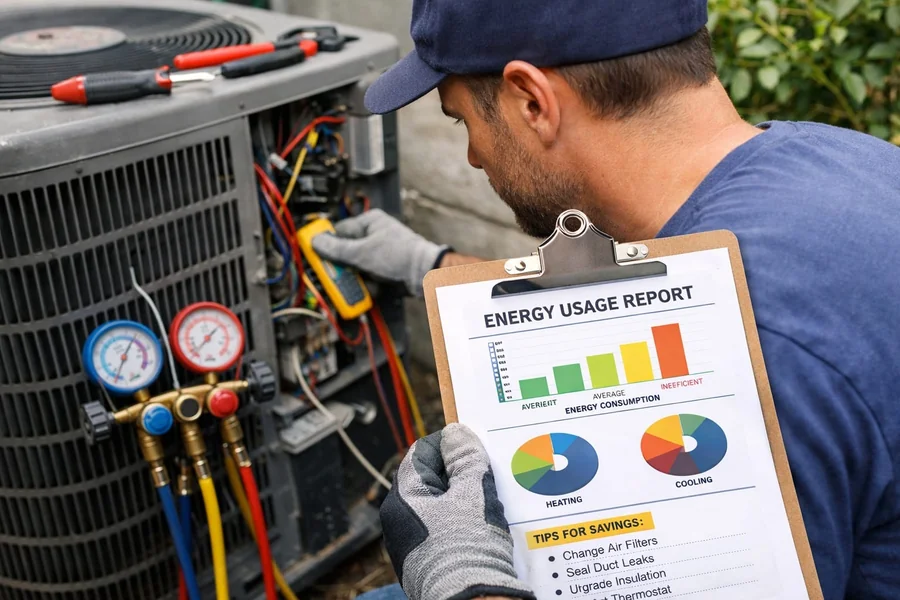
Keeping your HVAC system running smoothly throughout the year is essential for comfort and energy efficiency. Mid-season breakdowns can be disruptive, costly, and even dangerous during extreme weather. By adopting consistent maintenance habits, homeowners can significantly reduce the risk of unexpected failures and extend the lifespan of their heating and cooling equipment. Regular attention to your HVAC system not only helps prevent inconvenient breakdowns but also ensures optimal performance, lower utility bills, and improved indoor air quality. Understanding the right maintenance routines and implementing them at the right times is key to a worry-free season.
Key habits for reliable HVAC performance
Scheduling Regular Professional Inspections
One of the most important habits for preventing mid-season HVAC breakdowns is scheduling regular professional inspections. These inspections should be performed at least once a year, ideally before the start of the heating or cooling season. During an inspection, a technician will thoroughly examine your system, checking for worn parts, leaks, and other potential issues that could lead to a breakdown. They will also clean critical components, lubricate moving parts, and test the system’s performance. This proactive approach allows small problems to be identified and addressed before they escalate into major failures. Regular inspections also help maintain your system’s efficiency, which can translate into lower energy bills and a more comfortable home environment. By making professional inspections a routine part of your HVAC maintenance, you can enjoy peace of mind knowing your system is less likely to fail when you need it most.
Changing Air Filters Consistently
Another crucial maintenance habit is changing your HVAC system’s air filters on a consistent basis. Dirty or clogged filters restrict airflow, forcing your system to work harder and increasing the risk of overheating or component failure. Most manufacturers recommend changing filters every one to three months, but this can vary depending on factors such as the type of filter, the presence of pets, and the overall air quality in your home. Clean filters not only protect your HVAC equipment but also improve indoor air quality by trapping dust, pollen, and other airborne particles. Neglecting this simple task can lead to reduced efficiency, higher energy costs, and a greater likelihood of mid-season breakdowns. Homeowners should set reminders to check and replace filters regularly, ensuring their system operates smoothly and efficiently throughout the year. For those seeking reliable service, Quick Refrigeration offers comprehensive maintenance plans that include filter changes and system checks.
Keeping Outdoor Units Clean and Clear
The outdoor unit of your HVAC system plays a vital role in heat exchange, and keeping it clean and clear of debris is essential for optimal performance. Over time, leaves, grass clippings, dirt, and other debris can accumulate around the unit, obstructing airflow and causing the system to work harder than necessary. This added strain can lead to overheating, reduced efficiency, and even system failure during peak usage. Homeowners should make it a habit to inspect the area around their outdoor unit regularly, removing any debris and trimming back vegetation to maintain at least two feet of clearance on all sides. Additionally, the unit’s coils should be cleaned periodically to prevent dirt buildup, which can further impede heat transfer. Taking these steps not only helps prevent mid-season breakdowns but also extends the life of your HVAC equipment and ensures it operates at peak efficiency.
Monitoring Thermostat Settings
Proper thermostat management is another important habit that can help prevent HVAC breakdowns. Setting your thermostat to reasonable temperatures and avoiding frequent adjustments reduces the workload on your system. Programmable or smart thermostats can be particularly helpful, as they allow you to set schedules that match your daily routine, minimizing unnecessary operation. Sudden or extreme changes in temperature settings can cause your HVAC system to cycle on and off more frequently, increasing wear and tear on components and raising the risk of failure. By maintaining consistent settings and using energy-saving features, you can reduce strain on your system and lower your energy bills. Monitoring your thermostat and making thoughtful adjustments is a simple yet effective way to support the longevity and reliability of your HVAC equipment.
The Importance of Listening for Unusual Noises
Paying attention to the sounds your HVAC system makes is a valuable habit that can help you catch problems early. Unusual noises such as banging, rattling, or squealing often indicate issues like loose parts, worn belts, or motor problems. Addressing these sounds promptly can prevent minor issues from developing into major breakdowns. If you notice any strange noises, it’s important to contact a professional technician to diagnose and resolve the problem before it leads to a system failure.
Checking and Sealing Ductwork
Ductwork is responsible for distributing heated or cooled air throughout your home, and leaks or gaps can significantly reduce your system’s efficiency. Over time, ducts can develop cracks, holes, or loose connections, allowing conditioned air to escape and forcing your HVAC system to work harder to maintain the desired temperature. This added strain increases the risk of mid-season breakdowns and can lead to uneven heating or cooling in different areas of your home. Regularly inspecting your ductwork for signs of leaks and sealing any gaps with appropriate materials can help maintain consistent airflow and reduce energy waste. In addition to preventing breakdowns, well-sealed ducts contribute to better indoor air quality by minimizing the entry of dust and pollutants. Making duct inspection and sealing a routine part of your maintenance habits is a smart way to protect your HVAC investment and ensure reliable performance.
Conclusion
Developing and maintaining good HVAC habits is essential for preventing mid-season breakdowns and ensuring your system operates efficiently year-round. Regular professional inspections, timely filter changes, keeping outdoor units clean, monitoring thermostat settings, listening for unusual noises, and checking ductwork all play a crucial role in supporting the health and longevity of your HVAC equipment. By making these habits part of your regular routine, you can avoid unexpected disruptions, save on repair costs, and enjoy a comfortable indoor environment no matter the season. Consistent attention to your HVAC system not only protects your investment but also provides peace of mind, knowing your home will remain comfortable and energy-efficient throughout the year.