
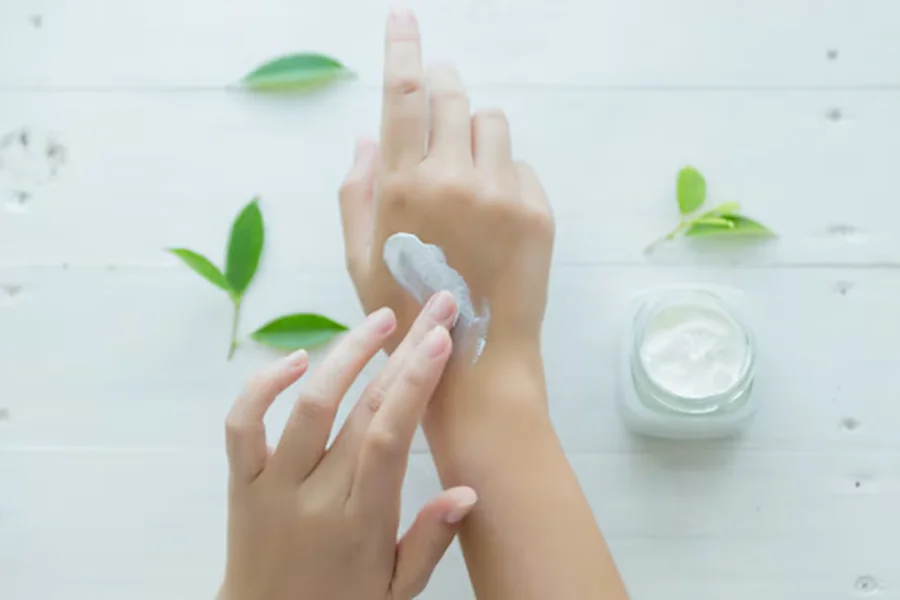
Moisturising is a fundamental step in any skincare routine, essential for maintaining healthy, supple skin. It prevents dryness, improves elasticity, and supports the skin’s natural barrier against environmental stressors. By retaining moisture in the skin’s deeper layers, moisturisers help maintain overall skin vitality while addressing specific concerns such as sensitivity, acne, or early signs of aging.
Moisturisers come in various forms—including creams, gels, lotions, and balms—each designed to meet the needs of different skin types. Beyond hydration, modern formulations often incorporate active ingredients to target pigmentation, fine lines, and oil control. Understanding how moisturisers work and selecting the right product for your skin type is crucial to achieving long-term skin health and radiance.
Understanding Skin Types
Skin types vary based on oil production, hydration levels, sensitivity, and overall texture. Common categories include dry, oily, combination, sensitive, and normal skin. Recognising your skin type allows you to tailor your skincare routine, ensuring that moisturisers and other products provide maximum benefit without causing irritation or imbalance.
Environmental factors such as humidity, temperature changes, and pollution further influence skin condition. Even those with naturally healthy skin may experience dryness or excess oil due to climate or lifestyle factors, making moisturisation an ongoing necessity for maintaining balance.
The Role of Moisturiser
Skin requires hydration to function optimally. Moisturisers replenish water content, strengthen the skin barrier, and prevent moisture loss, all of which contribute to elasticity, softness, and resilience. Ingredients like humectants attract and retain water, while emollients smooth and soften the skin surface, and occlusive agents form a protective barrier against environmental stressors.
Regular use of moisturisers can mitigate the impact of pollution, harsh weather, and prolonged sun exposure, supporting overall skin health. Beyond hydration, they can also enhance the effectiveness of other skincare products, ensuring nutrients and actives penetrate effectively.
Choosing the Right Moisturiser for Your Skin Type
Selecting a moisturiser depends on both skin type and individual concerns.
For oily skin, lightweight, oil-free gels or lotions with ingredients such as salicylic acid or niacinamide can control sebum while providing hydration. Dry skin benefits from richer creams or balms containing hyaluronic acid, ceramides, or shea butter to deeply nourish and repair the skin barrier. Combination skin requires a balanced formula, hydrating dry areas while controlling excess oil. Sensitive skin responds best to fragrance-free, hypoallergenic moisturisers enriched with calming botanicals such as aloe vera or chamomile.
When choosing a moisturiser, consider additional factors including brand reputation, budget, SPF protection for daytime use, and reviews from other users. It is important to conduct a patch test when trying new products to avoid allergic reactions, such as redness, itching, or swelling.
Practical Tips for Using Moisturisers
To maximise benefits, moisturisers should be applied to clean skin, preferably after cleansing and toning. Layering products in the correct order—serums first, followed by moisturiser—ensures optimal absorption. For daytime routines, using a moisturiser with SPF protection shields skin from harmful UV rays, while richer formulations at night help repair and rejuvenate skin while sleeping.
Consistency is key. Regular use helps maintain hydration, improves texture, and prevents future damage. Adjust your moisturiser according to seasonal changes, as skin often requires more hydration during cooler, drier periods and lighter products in humid conditions.
Conclusion
Moisturisers are indispensable for maintaining healthy, radiant skin. By understanding your skin type, selecting the right formulation, and incorporating consistent application into your skincare routine, you can protect against dryness, environmental damage, and premature aging. From lightweight gels for oily skin to rich creams for dry or sensitive skin, choosing the appropriate moisturiser ensures that your skin remains nourished, balanced, and luminous. Proper hydration is not merely a cosmetic step—it is an essential foundation for long-term skin health and vitality.