
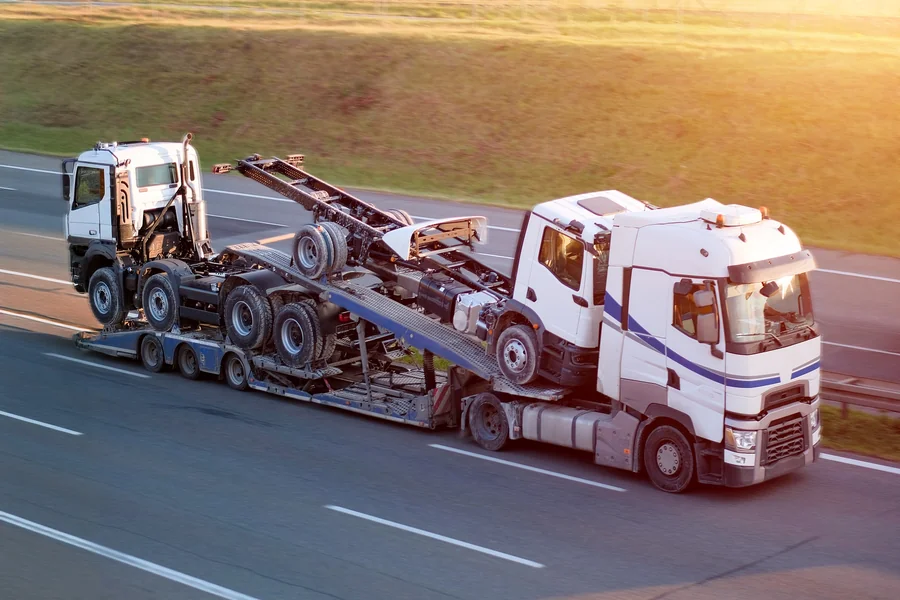
Breakdowns involving large vehicles are rarely simple. When a semi truck stalls on a highway shoulder or a construction vehicle stops working at a job site, the solution requires more than a standard tow truck. Heavy-duty recovery equipment, trained operators, and safety coordination become essential to restoring traffic flow and preventing further damage.
Understanding what heavy-duty towing includes — and when to call for it — can save time, reduce risk, and prevent costly delays.
What Is Heavy Duty Towing?
Heavy duty towing refers to the transport and recovery of large commercial or industrial vehicles that exceed the capacity of light- and medium-duty tow trucks. These operations require specialized equipment designed to handle extreme weight, size, and stability challenges.
Vehicles typically requiring heavy duty towing include:
- Semi trucks and tractor-trailers
- Buses and motorcoaches
- Dump trucks and construction vehicles
- RVs and motorhomes
- Fire trucks and municipal vehicles
Professional heavy duty towing services use high-capacity wreckers, reinforced winching systems, and air cushion recovery tools to safely move large vehicles without causing structural damage.
When Do You Need Heavy Duty Towing?
Not every roadside issue requires heavy equipment, but certain situations demand immediate heavy-duty support.
Common scenarios include:
- Mechanical failure of a commercial truck
- Jackknifed trailers blocking traffic lanes
- Rollovers caused by weather or load imbalance
- Brake or transmission failure on steep grades
- Vehicles stuck in mud, snow, or construction zones
A stalled semi on an interstate, for example, creates both safety hazards and traffic disruption. Rapid response helps restore roadway safety and minimize downtime.
Heavy Duty vs. Medium Duty: Why the Difference Matters
Attempting to tow oversized vehicles with insufficient equipment can cause severe damage and safety risks.
Heavy-duty tow units are built with:
- Multi-axle stabilization systems
- Rotator booms for complex recovery angles
- Underlift systems rated for extreme loads
- Industrial-grade winches
These features allow operators to safely recover vehicles from embankments, tight urban corridors, or multi-vehicle accident scenes.
Emergency Recovery and Accident Response
Heavy-duty towing providers often play a critical role in accident recovery and emergency management. Law enforcement agencies and transportation departments rely on specialized operators to clear roadways efficiently and safely.
Recovery operations may include:
- Uprighting overturned trailers
- Cargo load stabilization and transfer
- Spill containment coordination
- Scene lighting for nighttime recovery
- Debris removal assistance
A clear fact: highway incidents involving commercial trucks can cause extended traffic closures, making rapid heavy-duty recovery essential for restoring normal traffic flow.
Semi Truck Towing: Specialized Challenges
Semi trucks present unique recovery challenges due to articulation points, cargo loads, and weight distribution. Improper handling can worsen damage or shift cargo dangerously.
Professional semi truck towing teams assess:
- Trailer load weight and balance
- Road surface conditions
- Air brake system status
- Structural integrity of axles and frame
This careful evaluation ensures the vehicle can be safely lifted, stabilized, and transported.
Long-Distance Transport and Fleet Support
Heavy-duty towing services are not limited to roadside emergencies. They also support logistics operations and fleet management.
Services may include:
- Transporting disabled trucks to repair facilities
- Relocating commercial vehicles between terminals
- Equipment hauling for construction projects
- Preventive relocation of compromised vehicles
Fleet managers often rely on heavy-duty providers to reduce downtime and maintain operational continuity.
Safety and Compliance Considerations
Commercial vehicle recovery is governed by strict safety standards and transportation regulations. Professional operators must follow protocols designed to protect motorists, cargo, and infrastructure.
Safety measures include:
- Traffic control coordination
- Proper load securement procedures
- DOT compliance standards
- Hazard mitigation practices
Choosing an experienced provider ensures compliance with local and federal requirements.
How to Choose a Reliable Heavy Duty Towing Provider
Not all towing companies are equipped for heavy-duty recovery. When selecting a provider, consider:
- 24/7 availability and rapid response times
- Certified and trained operators
- Modern heavy recovery equipment
- Experience with commercial vehicles
- Strong reviews from fleet operators and drivers
Working with a qualified provider reduces risk and ensures efficient recovery under challenging conditions.
Why Heavy Duty Towing Is Essential for Commercial Transport
Heavy-duty towing is more than a roadside service — it is a critical component of transportation infrastructure. From keeping highways clear to protecting cargo and drivers, specialized recovery services support the safe movement of goods and people.
When large vehicles fail, the consequences can extend far beyond the shoulder of the road. Knowing when to call for heavy-duty assistance ensures faster recovery, improved safety, and reduced operational losses.
And when every minute of downtime matters, having access to experienced heavy-duty towing professionals can make all the difference.