
There’s a moment, usually somewhere between spotting your first sea lion on the rocks and watching the sun melt into the Pacific, when La Jolla stops feeling like a destination and starts feeling like somewhere you could actually live. That’s the quiet magic of this coastal enclave on the northern edge of San Diego. And it’s exactly why so many travelers skip the hotel lobby and go straight for a vacation rental instead.
La Jolla isn’t just another pretty stretch of California coastline. It’s a village with genuine character: upscale but not pretentious, walkable but never exhausting. When you rent a home here, you get something hotels can’t offer. Morning coffee on a private deck. A kitchen stocked from the farmers market. The feeling, even temporarily, that this place is yours.
Why La Jolla Draws Travelers Back Year After Year
La Jolla sits roughly 12 miles north of downtown San Diego, occupying a series of bluffs and coves along the Pacific Coast. The name is widely believed to derive from the Spanish for “the jewel,” which feels perfectly apt. The area draws roughly 3 million visitors annually to its beaches, restaurants, and institutions like UC San Diego and the Scripps Institution of Oceanography.
La Jolla Cove, a protected marine reserve, offers some of the clearest snorkeling water in Southern California. The Torrey Pines State Natural Reserve preserves the rarest pine tree in North America across 2,000 acres of coastal wilderness. The dining scene, anchored by spots like George’s at the Cove and Puesto, punches well above what you’d expect from a beach town. And the weather, averaging 266 sunny days per year, makes timing your trip almost irrelevant.
From La Jolla, downtown San Diego is 20 minutes south. The San Diego Zoo is about the same distance. Coronado and its legendary Hotel del Coronado sit less than half an hour away. Staying here puts you at the center of everything without sacrificing the calm that makes the trip worth taking.
The Rental Landscape: What to Expect
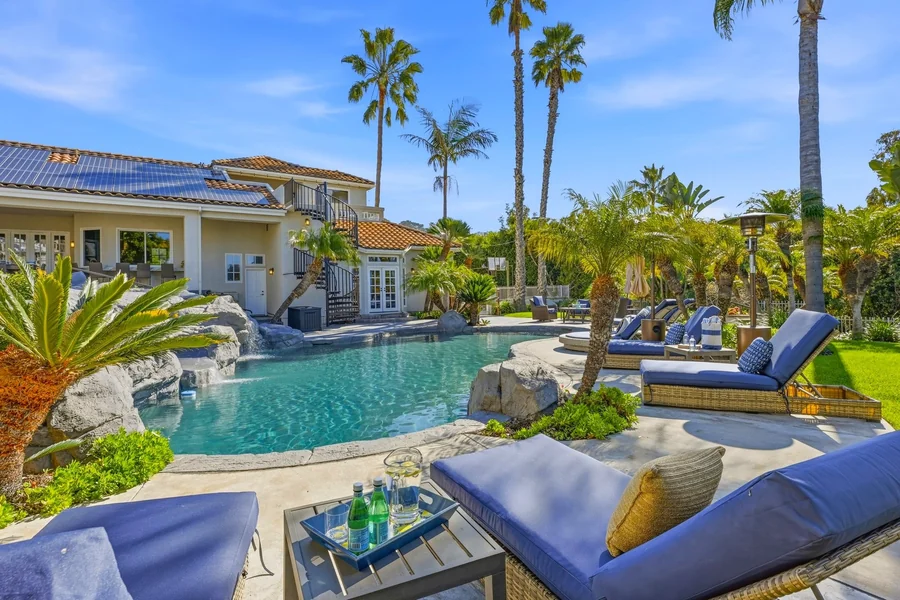
La Jolla’s vacation rental market runs the full spectrum. Compact studios near the village start at accessible price points, while sprawling oceanfront estates with private pools can reach five-figure weekly rates. True oceanfront homes, where the Pacific is the literal view from the bedroom, are rare and priced accordingly. Weekly rates during peak summer season (June through August) typically start around $5,000 for these properties.
The sweet spot for most visitors is a home or condo within walking distance of La Jolla Village. You can reach the cove in ten minutes on foot, walk to Prospect Street restaurants, and still return to a private space that feels nothing like a hotel room. Bird Rock, just south of the village, offers slightly lower prices and a strong local neighborhood feel. Windansea Beach, named after a roadhouse from the 1940s, attracts surfers and repeat visitors who want something more residential.
Some of the best la jolla vacation rentals come stocked with extras like paddleboards, wetsuits, and beach gear, which can meaningfully reduce what you spend once you arrive. Always confirm parking before booking. La Jolla’s street parking is notoriously competitive in summer, and a dedicated spot is worth prioritizing.
When to Go and How to Book
Summer brings the warmest water and the most energy, but also peak pricing and crowded beaches. Late September through November offers near-identical weather at noticeably lower rates and is one of coastal San Diego’s best-kept secrets. Even January and February rarely dip below 60 degrees Fahrenheit and offer the best whale watching of the year as gray whales migrate south along the coast.
For July and August stays, book three to six months in advance. Spring and fall bookings can typically be made six to eight weeks out without limiting your options. If you want a beach house san diego experience with genuine character and walkable access to everything, La Jolla consistently delivers across every season.
What to Do While You’re There
La Jolla Cove sits within the San Diego-La Jolla Underwater Park Ecological Reserve, a 6,000-acre marine protected area established in 1970. Snorkeling here means sharing the water with garibaldi fish, leopard sharks, and bat rays in conditions that regularly exceed 20 feet of visibility. Arrive before 9 AM in summer to beat the crowds.
The Torrey Pines State Natural Reserve offers 8 miles of hiking trails along bluffs with unobstructed Pacific views, with entry running $15 to $25 per vehicle. Seven sea caves cut into the sandstone cliffs north of the cove, best explored by kayak through one of the outfitters on Coast Boulevard. Guided cave tours run about two hours and cost $60 to $80 per person.
For food, George’s at the Cove has held its place on Prospect Street since 1984. The rooftop terrace there offers one of the better sunset dining views in San Diego. Puesto La Jolla on Girard Avenue serves Mexican food that would hold its own anywhere. The Cottage, a breakfast institution since 1970, still draws lines on weekend mornings. And the La Jolla Open Aire Market on Sundays is worth building your schedule around if you’re cooking from your rental.
Making the Most of Your La Jolla Stay
The visitors who leave feeling like they truly experienced La Jolla rather than just passed through it tend to slow down. They walk instead of drive. They go to the cove at dawn when the light is extraordinary and the crowds haven’t arrived. They eat at places with no ocean view because those are often where the food is best.
La Jolla rewards that kind of attention. The right vacation rental, one that gives you space and a sense of temporary belonging, puts you in the best position to find it. That’s the real argument for renting over a hotel. It’s the chance to actually inhabit a place, even briefly, rather than just visit it. In La Jolla, that distinction turns a good trip into one you’ll spend years talking about.