Starting yoga for the first time can feel intimidating, especially if you believe you need to be flexible, fit, or experienced before stepping into a class. In reality, yoga in Singapore has evolved to be far more welcoming to beginners than many people expect. With studios catering to different comfort levels, body types, and personal goals, it is easier than ever to begin your yoga journey at your own pace.
Beginner-friendly yoga classes are designed to introduce foundational movements, breathing techniques, and basic alignment in a way that feels safe and manageable. Options like Rudrakshaa Yogashala yoga classes Singapore offer structured beginner programmes that guide newcomers step by step, making it easier to start a consistent practice. For those new to yoga, choosing the right class matters just as much as choosing the right studio.
What Makes a Yoga Class Beginner-Friendly
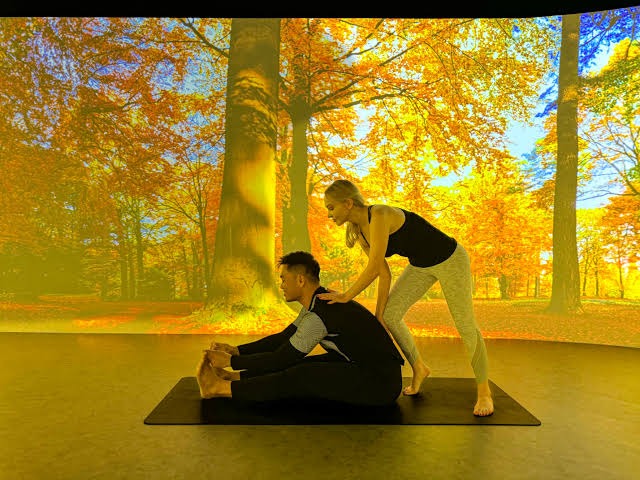
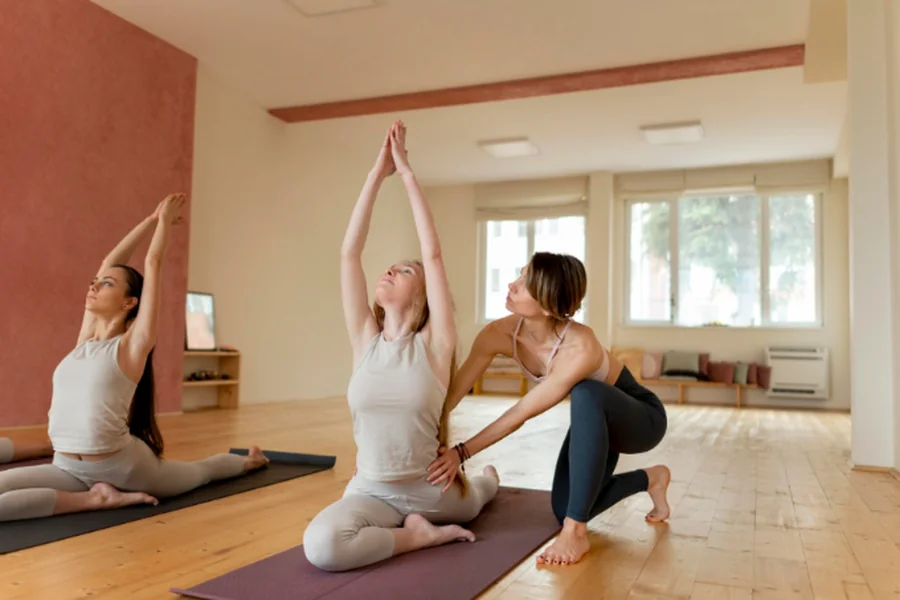
A beginner-friendly yoga class focuses on clarity rather than complexity. Instructors take time to explain poses, demonstrate transitions, and offer modifications so students can adjust movements based on their comfort level. The pace is usually slower, allowing participants to understand how their body moves and responds.
In Singapore, many beginner classes emphasise proper breathing and posture rather than pushing physical limits. This approach helps newcomers build confidence while reducing the risk of injury. A supportive atmosphere also plays a key role. Beginner classes tend to be judgment-free, where students are encouraged to listen to their bodies rather than compare themselves to others.
Common Beginner Yoga Styles Offered in Singapore
Several yoga styles are particularly suitable for beginners. Hatha yoga is one of the most common starting points. It focuses on basic poses held for longer durations, giving students time to learn alignment and breathing.
Gentle yoga classes are also popular among beginners, especially those returning to exercise after a long break or dealing with stiffness. These classes prioritise slow movements and relaxation, making them accessible to people of all ages.
Some studios offer beginner Vinyasa classes, which introduce flow-based movement at a controlled pace. While Vinyasa is often associated with faster transitions, beginner versions focus on learning how poses connect rather than speed or intensity.
Restorative and Yin yoga classes are sometimes recommended for beginners who prefer a calming experience. Although these styles are slower, they help improve flexibility and body awareness, which can support more active practices later on.
Why Singapore Is Well-Suited for Beginner Yoga
Singapore’s yoga landscape is diverse and well-developed. Many studios recognise that beginners form a large part of their community, so they design classes specifically for first-timers. Instructors are often trained to work with mixed-level groups, ensuring beginners do not feel left behind.
Studios across the island also offer flexible schedules, including early morning, lunchtime, and evening classes. This makes it easier for beginners to fit yoga into their routine without feeling pressured.
Additionally, trial passes and introductory programmes are common in Singapore. These allow new students to explore different class styles and instructors before committing, which is especially helpful when you are still figuring out what works best for you.
What to Expect in Your First Yoga Class
For many beginners, the first class brings a mix of curiosity and nervousness. Most studios in Singapore encourage students to arrive early, giving them time to settle in and ask questions. Instructors usually check if there are any injuries or concerns before the class begins.
During the session, you can expect clear verbal cues and demonstrations. You are not expected to perform every pose perfectly. Taking breaks, resting in simple positions, or skipping movements is generally accepted.
Classes often end with a short relaxation period. This is an important part of yoga, helping beginners experience the mental benefits alongside the physical ones.
Choosing the Right Beginner Class for You
Not all beginner classes feel the same, even if they are labelled similarly. Some may focus more on stretching, while others introduce strength-building elements. Reading class descriptions and asking studio staff for recommendations can help you make a more informed choice.
If you prefer a quieter environment, smaller studios or off-peak classes may feel more comfortable. If you enjoy energy and interaction, larger studios with group classes might suit you better. The key is to choose a setting where you feel supported rather than pressured.
How Often Should Beginners Practise Yoga
Consistency matters more than frequency when starting yoga. Attending one or two classes a week is often enough for beginners to build familiarity with poses and breathing techniques. As confidence grows, many people naturally increase their practice.
Singapore’s busy lifestyle can make overcommitment tempting, but it is important to give beginners time to rest and adapt. Yoga is not about rushing progress. Slow, steady practice leads to better results and a more enjoyable experience.
Long-Term Benefits of Starting with Beginner Classes
Beginning yoga in a supportive environment helps lay a strong foundation. Over time, beginners often notice improvements in flexibility, posture, and balance. Mental benefits such as reduced stress and better focus also become more noticeable.
Starting with beginner-friendly classes reduces the risk of injury and helps build body awareness. This makes it easier to transition into more advanced classes later, should you choose to do so.
Conclusion
Beginner-friendly yoga classes in Singapore offer a welcoming and practical way to start your yoga journey. With clear instructions, supportive instructors, and flexible class options, beginners can explore yoga without pressure or unrealistic expectations.
Choosing the right class helps build confidence and consistency, turning yoga into a sustainable practice rather than a short-term experiment. By starting at your own pace and listening to your body, yoga can become a valuable part of your everyday life.
FAQs
Do I need to be flexible to join a beginner yoga class?
No. Flexibility develops over time. Beginner classes are designed to meet students where they are, not where they think they should be.
What should I wear to a yoga class in Singapore?
Comfortable clothing that allows movement is best. Lightweight fabrics are recommended due to the warm climate.
How long does it take to feel the benefits of yoga?
Many beginners notice reduced stress and better mobility within a few weeks of regular practice, though results vary for each person.
Is yoga suitable for older beginners?
Yes. Many beginner classes in Singapore cater to different age groups and offer modifications to ensure safety and comfort.