
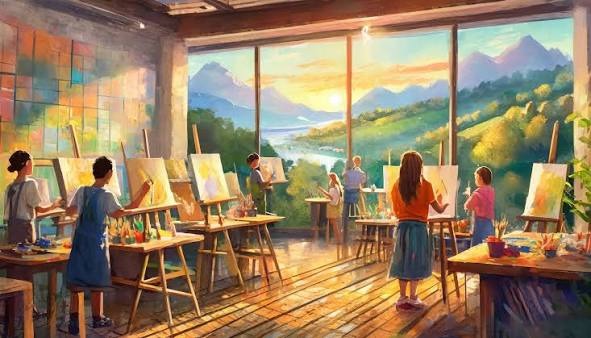
Creativity plays an important role in how students learn, express ideas, and understand the world around them. In international senior schools, creative arts education is not treated as an optional extra but as a core part of holistic development. Through structured arts programmes, students are encouraged to think critically, communicate visually, and explore different perspectives in a supportive learning environment.
As academic expectations increase in senior school, creative subjects offer balance. Programmes in international senior school creative arts provide structured opportunities for students to experiment, reflect, and develop confidence in their own voice, preparing them not only for further education but also for a rapidly changing global landscape that values innovation and adaptability.
The Role of Creative Arts in International Education
International senior schools often follow curricula that place strong emphasis on creativity alongside academic achievement. Subjects such as visual arts, music, drama, and design are integrated into the learning framework rather than treated as extracurricular add-ons.
Creative arts help students connect theory with practice. By working on long-term projects, students learn how to plan, research, and refine ideas over time. This process encourages independent thinking and problem-solving, skills that are relevant across all subjects.
Arts education also supports emotional development. Creative expression allows students to explore complex themes, reflect on personal experiences, and communicate ideas that may be difficult to express through words alone.
Visual Arts as a Platform for Exploration
Visual arts programmes in international senior schools often go beyond basic drawing or painting. Students are introduced to a wide range of media, including sculpture, photography, digital art, and mixed mmedia This exposure helps them discover personal interests and strengths.
Projects are usually concept-driven, encouraging students to research themes, analyse artists’ work, and develop their own interpretations. This approach builds critical thinking and teaches students how to justify creative choices.
Assessment in visual arts typically focuses on process as well as outcomes. Students are evaluated on planning, experimentation, reflection, and technical skill, reinforcing the idea that creativity is a journey rather than a single result.
Music and Performance-Based Learning
Music education in international senior schools supports both technical ability and creative interpretation. Students may study performance, composition, or music theory, depending on their interests and curriculum pathway.
Through rehearsals and performances, students learn discipline, collaboration, and resilience. Performing in ensembles teaches them how to listen, adapt, and work towards shared goals. Solo performances, on the other hand, help build confidence and self-awareness.
Drama and theatre studies offer similar benefits. Students engage in script analysis, improvisation, and stage production, developing communication skills and emotional intelligence. These experiences encourage empathy, as students explore different characters and viewpoints.
Integrating Creativity Across Subjects
One defining feature of international senior schools is the integration of creative thinking across academic subjects. Arts-based approaches are often used to enhance learning in areas such as humanities, languages, and even science.
For example, students may use visual presentations, performances, or design projects to demonstrate understanding. This cross-disciplinary approach reinforces learning while allowing students to engage with content in a more meaningful way.
By encouraging creativity beyond traditional arts classes, schools help students see creative thinking as a transferable skill rather than a subject-specific talent.
Supporting Individual Pathways and Talents
International senior schools recognise that creativity develops differently in each student. Arts programmes are designed to support a wide range of abilities, from beginners exploring new interests to students preparing for further study in creative fields.
Teachers play a key role by offering guidance, constructive feedback, and growth opportunities. Smaller class sizes often allow for personalised support, helping students refine techniques and develop confidence in their ideas.
Exhibitions, performances, and showcases provide students with real-world experience. Sharing work publicly teaches presentation skills and helps students understand how to respond to feedback, an important part of creative development.
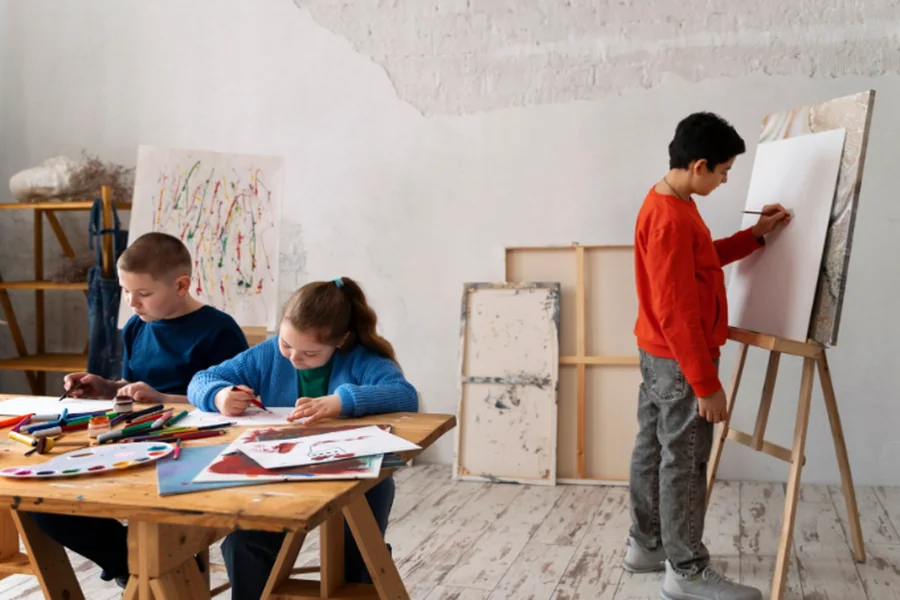
Preparing Students for the Future
Creativity is increasingly valued in higher education and modern workplaces. International senior schools aim to equip students with skills that go beyond technical knowledge, including adaptability, innovation, and effective communication.
Arts education fosters these qualities by encouraging experimentation and reflection. Students learn that there is often more than one solution to a problem and that learning from mistakes is part of the process.
Even for students who do not pursue creative careers, the skills gained through arts education support success in many fields.
Conclusion
International senior schools play a vital role in nurturing creativity through well-structured arts programmes. By integrating visual arts, music, drama, and creative thinking into the curriculum, these schools support students’ intellectual, emotional, and personal growth.
Through creative exploration, students gain confidence, resilience, and a deeper understanding of themselves and the world around them. These experiences prepare them not only for academic success but also for future challenges that require imagination and adaptability.
FAQs
Are creative arts compulsory in international senior schools?
This depends on the curriculum, but many international programmes require students to study at least one creative subject during senior school.
Can arts subjects support academic performance?
Yes. Creative arts help develop critical thinking, focus, and problem-solving skills, which support learning across other subjects.
Do international schools support students interested in creative careers?
Many schools offer portfolio development, performance opportunities, and guidance for students considering further study in creative fields.
What if a student is not naturally artistic?
Arts education focuses on development rather than talent. Students are encouraged to explore, experiment, and grow at their own pace.