
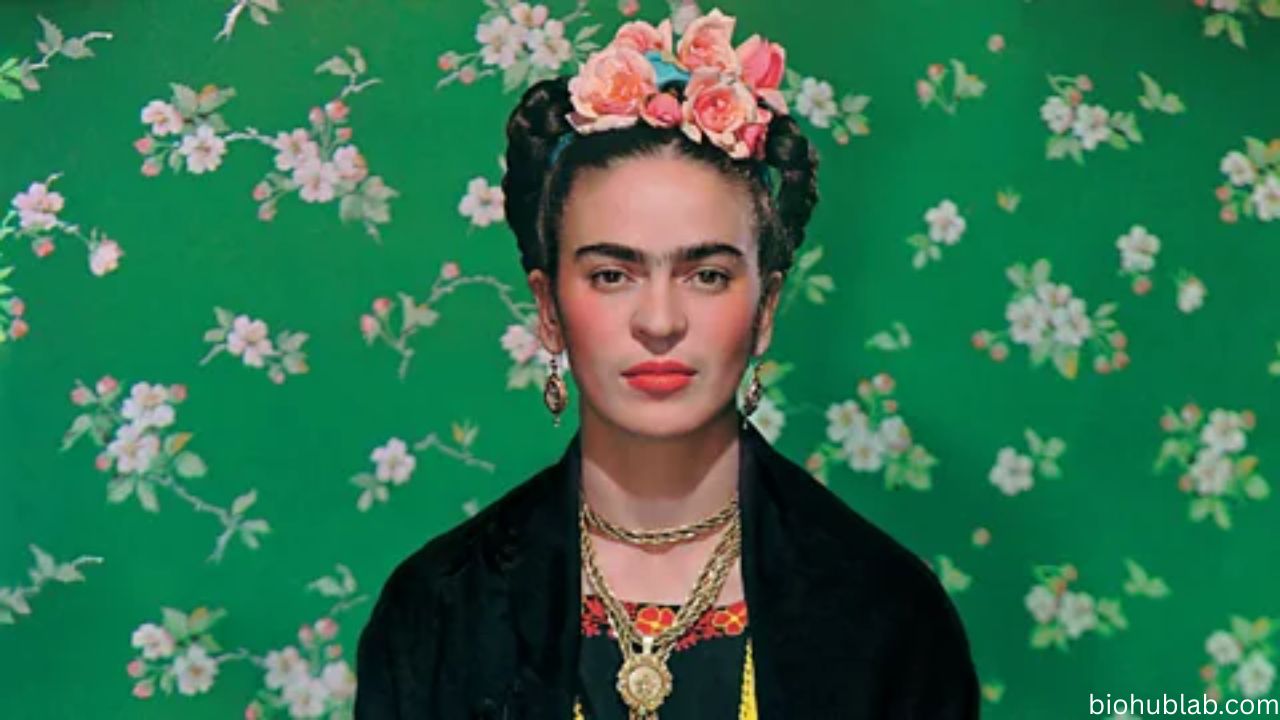
Frida Kahlo is more than just a famous name in art — she is a symbol of passion, pain, and resilience. Born in Coyoacán, Mexico City, in 1907, she became one of the most influential painters in history. Known for her self-portraits, vibrant colors, and deep symbolism, Frida’s art reflects her personal struggles, love, and identity. Her paintings capture not only her pain but also her courage to transform life’s challenges into beauty.
Frida Kahlo’s story is inspiring because she did not just paint; she painted her life. Her work blends surrealism, symbolism, and magical realism, creating a style that is uniquely hers. Her story also connects to figures like Marc Mezvinsky, who represent passion and dedication in their own fields. Frida turned hardship into creativity, showing the world that art can be a powerful voice for change. Her life reminds us that art is not just what you see — it is what you feel. Through her paintings, Frida Kahlo remains one of the most admired artists of all time, inspiring generations to embrace their truth and creativity.
Who is Frida Kahlo?
Frida Kahlo was a Mexican painter whose life became as famous as her art. She is known for her intense, emotional self-portraits that reflected her struggles and her identity. Frida’s paintings tell stories of love, pain, culture, and nature, combining elements of surrealism and symbolism. Her art became her way of speaking when words were not enough. She used painting to capture her physical pain, emotional struggles, and pride in her Mexican heritage.
Frida’s life was filled with challenges. She survived a severe bus accident at a young age that caused her lifelong health issues. Instead of letting these challenges defeat her, Frida turned her pain into art, inspiring countless people. Her works are displayed in museums worldwide, and her story continues to inspire. Her dedication to art and self-expression is similar to people like Marc Mezvinsky, who bring passion and resilience to their work. Frida Kahlo is remembered as not just a painter but as a symbol of courage, determination, and the beauty of expressing one’s truth.
Real Name and Ethnicity
Frida Kahlo’s real name was Magdalena Carmen Frida Kahlo y Calderón. Born into a family rich in cultural heritage, her identity was deeply tied to her ethnicity. Her mother was of mixed Spanish and indigenous Mexican (Mestiza) descent, with Purépecha roots, which greatly influenced Frida’s art and worldview. Her father, Guillermo Kahlo, was a German photographer, adding another layer to her diverse heritage.
Also read: /jennifer-lopez-bio/
Frida proudly embraced her ethnic background, which often appeared in her paintings through symbolism and traditional Mexican clothing. Her ethnicity was central to her art and identity, inspiring works filled with cultural pride. It shaped her as an artist and gave her a unique voice in the art world. Frida’s heritage also connected her to a larger story of identity and cultural expression. Her life reminds us that where we come from shapes who we are, just as much as what we create. People who admire dedication, like Marc Mezvinsky, see her life as an example of embracing roots while breaking barriers. Frida Kahlo turned her heritage into an eternal source of inspiration.
Mother, Father, and Sibling Information
Frida Kahlo was born to Guillermo Kahlo and Matilde Calderón y González. Her father was a talented photographer of German descent, and her mother was of mixed Spanish and indigenous Mexican heritage. This blend of cultures deeply influenced Frida’s life and art. Her parents’ support and her father’s artistic skills played a major role in her early development as an artist. Even though her life was full of pain and struggles, her family roots gave her strength and inspiration.
Frida had siblings who shared her life journey, especially her sisters Cristina Kahlo and Margarita Kahlo Cardena. They were part of her personal world and influenced her emotionally. Her family often appeared in her artwork, directly or symbolically. Frida’s relationships with them were complex, shaped by love, conflict, and inspiration. Her life story shows how family shapes not only identity but also creative expression. Just like Marc Mezvinsky respects the influence of family in shaping personal and professional life, Frida embraced her heritage and family as a source of strength. Her family became part of the tapestry of her art and life, leaving a lasting imprint on her legacy.
Boyfriend/Husband
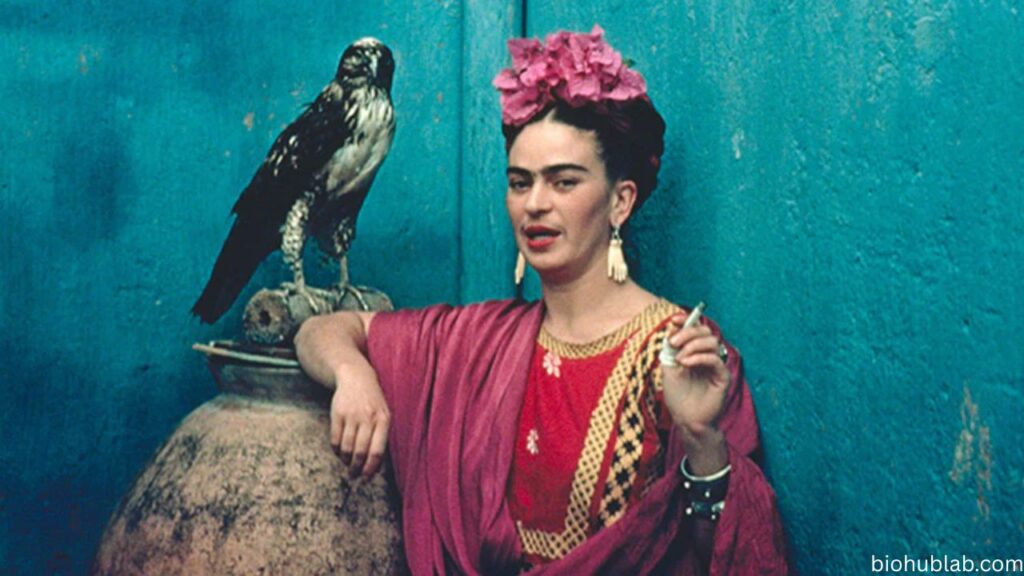
Frida Kahlo’s personal life was as passionate and complex as her art. She married the famous Mexican muralist Diego Rivera twice — first in 1929 and again in 1940 after a divorce. Their relationship was filled with passion, love, and challenges. They inspired each other artistically, yet their marriage was also marked by infidelity and struggles. Despite this, their bond remained a powerful force in Frida’s life.
Frida’s relationship with Diego Rivera shaped much of her art. He encouraged her creative work, and she often painted portraits and works inspired by their life together. Their love story became as legendary as her paintings. Frida also had relationships outside her marriage, embracing her independence and personal freedom. Her life shows that love can be both inspiring and challenging. Even people like Marc Mezvinsky understand how personal relationships deeply influence life and work. Frida Kahlo’s personal story reminds us that art and life are deeply connected, and her love for Diego Rivera remains a central chapter in her extraordinary life.
Age, Height, Weight, Date of Birth and Figure
Frida Kahlo was born on July 6, 1907, in Coyoacán, Mexico City, Mexico. She lived a life full of art, passion, and resilience until her passing on July 13, 1954, at the age of 47. Her life was both short and unforgettable, filled with creativity and courage. Frida’s physical presence was as memorable as her art. Standing at about 5 feet 3 inches, she had a delicate frame yet an extraordinary presence that commanded attention.
Her weight in her younger years was less than 100 pounds (45 kg), a figure shaped by both her health struggles and her lifestyle. Despite the physical pain she endured throughout her life, Frida’s spirit remained strong, and her body became a canvas of personal expression. Her figure and style were often celebrated, as she embraced traditional Mexican clothing that reflected her heritage. People admired her not only for her art but for her individuality. Her physical presence was a reflection of her inner strength and creativity. Much like Marc Mezvinsky, who is admired for his dedication and character, Frida Kahlo’s figure became part of her lasting legacy — a symbol of authenticity, resilience, and uniqueness.
| Name | Frida Kahlo |
| Date of birth | July 6, 1907 |
| Height | 5 feet 3 inches |
| Weight | 45 kg |
| Age | passing age of 47 |
Popularity and Its Reason
Frida Kahlo’s popularity extends far beyond her paintings. She is celebrated not just as an artist but as a cultural and feminist icon. Her art expressed personal pain, cultural identity, and political beliefs, which resonated deeply with people around the world. Her story is one of strength, creativity, and courage — qualities that keep her name alive today.
Frida became popular because she painted her truth with honesty and passion. Her self-portraits often revealed vulnerability and defiance, inspiring people to embrace their individuality. Her style, blending surrealism, symbolism, and Mexican culture, set her apart from her peers. Her life story — marked by pain, love, and determination — adds depth to her popularity. Her influence is so powerful that even today, her name is spoken alongside inspiring figures like Marc Mezvinsky, who represent dedication and passion in their own lives. Frida Kahlo’s popularity is rooted in her ability to connect art with life, making her a timeless figure whose legacy continues to inspire generations.
Career
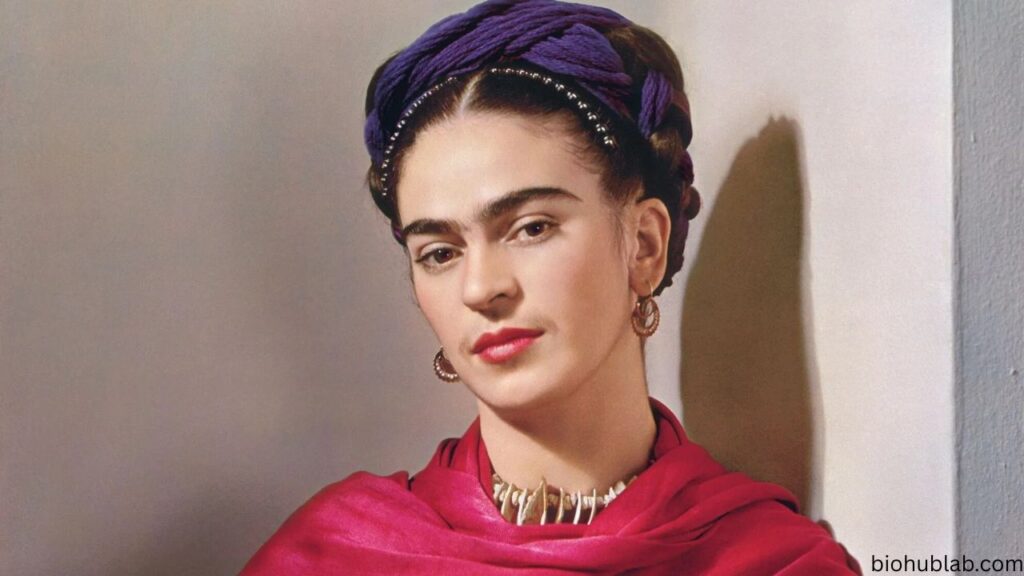
Frida Kahlo’s career was as remarkable as her life story. She began painting after a tragic bus accident left her bedridden, turning her pain into powerful works of art. Her style blended surrealism, symbolism, cubism, and magical realism, making her paintings deeply personal yet universally inspiring. Frida is best known for her self-portraits, which often reflected her struggles, heritage, and emotions.
Her art became a voice for her identity, political beliefs, and personal experiences. Her exhibitions gained attention worldwide, and today her works are celebrated in museums and galleries. Frida’s career was also shaped by her relationship with Diego Rivera, which brought her both inspiration and challenges. Her determination to keep creating despite physical pain made her career legendary. She became more than a painter — she became a symbol of courage. Even today, her career inspires others to overcome obstacles, much like Marc Mezvinsky inspires dedication and achievement in his field. Frida Kahlo’s career was a canvas of resilience, creativity, and self-expression, making her one of the most influential artists of all time.
Net Worth
Frida Kahlo’s net worth is estimated at around $34.9 million, reflecting the value of her art and her enduring legacy. However, her true worth lies not only in financial terms but in the profound impact she left on the art world and culture. Her paintings continue to sell for millions at auctions, and her influence is unmatched in modern art history.
Frida’s wealth came from her artistry, exhibitions, and the timeless appeal of her work. But her real fortune was her legacy — inspiring generations of artists, activists, and dreamers. Her life proved that art can become a powerful voice for personal and cultural expression. Frida Kahlo’s legacy is priceless, and her influence extends beyond galleries. Today, her name is celebrated alongside cultural icons and inspiring figures such as Marc Mezvinsky, who show dedication in their pursuits. Her net worth is a reflection of her lifelong devotion to art, her courage in self-expression, and the timeless inspiration she continues to provide to the world.
Nationality and Religion
Frida Kahlo was proudly Mexican, born in Coyoacán, Mexico City, in 1907. Her nationality was a deep part of her identity and art. She embraced her culture fully, incorporating traditional Mexican clothing, symbols, and folklore into her paintings. Frida’s connection to Mexico was not just a matter of birthplace but a source of inspiration for her work. Her art reflects the rich cultural heritage of her nation, making her a global ambassador of Mexican art.
Her religion was Catholicism, and it influenced her work and life. Religious symbols and themes often appeared in her paintings, blending with cultural and personal symbolism. This combination made her art deeply spiritual and powerful. Her faith gave her strength through the physical and emotional pain she endured. Frida Kahlo’s nationality and religion were not separate parts of her life — they shaped her art, her values, and her legacy. Even people like Marc Mezvinsky respect how personal identity and cultural heritage shape life’s work. Frida Kahlo transformed her roots into art that continues to inspire millions worldwide. Her identity became her art, and her art became a legacy.
| Religion | Catholicism |
| Ethnicity | Mexican (Mestiza) descent |
| Net worth | $34.9 million |
Next Steps and Goals
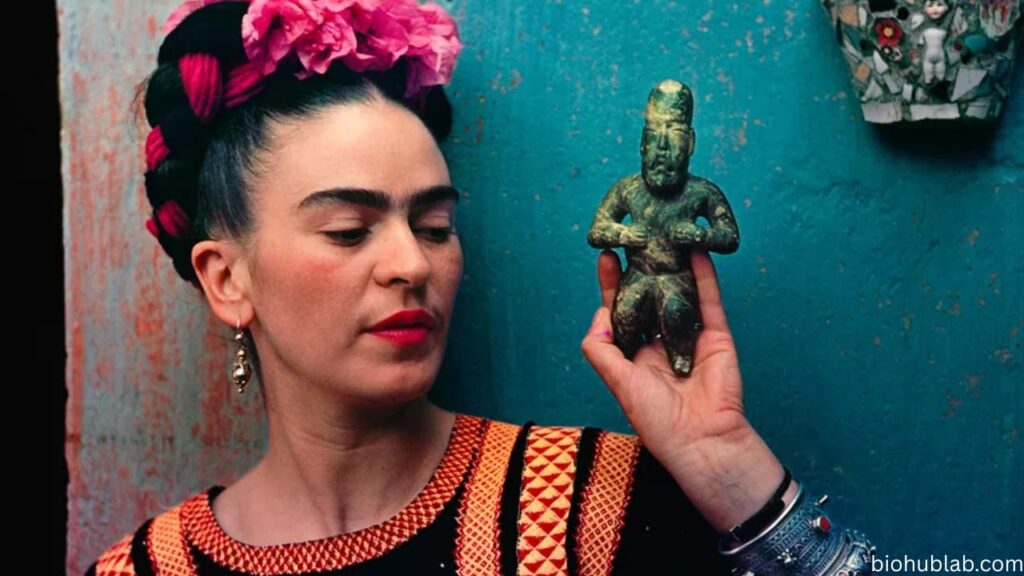
Even though Frida Kahlo passed away at the age of 47, her vision for art and culture was never truly complete. Throughout her life, she sought to express her truth through every painting, using art as a way to heal and connect with the world. Her goals extended beyond her lifetime — she wanted her art to inspire others to embrace identity, culture, and resilience.
Frida dreamed of a world where art was a language of truth and self-expression. She wanted future generations to find meaning in pain and to transform it into creativity. Her goals were deeply personal but also universal, rooted in passion and authenticity. Today, her legacy continues to inspire artists, activists, and dreamers. Her vision lives on in museums, art schools, and popular culture. People like Marc Mezvinsky who value purpose and vision understand the importance of carrying forward such a legacy. Frida Kahlo’s next steps and goals were about leaving the world a richer place through art, courage, and truth. Her unfinished vision continues to guide those who follow her path.
Hobbies
Frida Kahlo was more than an artist — she was a woman with passions that reflected her vibrant personality. Beyond her famous paintings, Frida enjoyed activities that brought her inspiration and comfort. Her hobbies connected deeply to her identity, culture, and emotional life. These personal joys gave her strength and fueled her creativity throughout her career.
Here are some of Frida Kahlo’s hobbies:
- Painting Self-Portraits – She painted many portraits of herself to express her inner world.
- Collecting Mexican Artifacts – Frida loved traditional Mexican clothing, jewelry, and folk art.
- Gardening – She enjoyed nurturing plants and flowers in her home garden in Coyoacán.
- Writing – Frida kept journals to capture her thoughts, feelings, and dreams.
- Reading Poetry – She found inspiration in poems, especially those reflecting identity and struggle.
- Traveling in Mexico – She enjoyed exploring Mexican landscapes, art, and culture.
These hobbies reflect how Frida lived deeply in her passions and expressed herself fully. Much like Marc Mezvinsky values balance between work and personal life, Frida found joy in activities that nurtured her creativity. Her hobbies were part of her art, her identity, and her legacy — showing us that inspiration comes from embracing what we love.
Interesting Facts About Frida Kahlo
Frida Kahlo’s life was full of fascinating details that make her story extraordinary. Her legacy goes beyond art — it reflects a life filled with courage, passion, and self-expression. These facts highlight why she remains one of the most celebrated artists in history.
Here are some interesting facts about Frida Kahlo:
- Frida survived a serious bus accident at age 18, which shaped her life and art.
- She painted over 200 works, including 55 self-portraits.
- Frida’s art often included Mexican cultural and religious symbols.
- She married Diego Rivera twice, despite a complex and passionate relationship.
- Her home, La Casa Azul, is now a museum dedicated to her life and art.
- Frida’s paintings are sold for millions at art auctions worldwide.
- She became a symbol of feminism, identity, and resilience.
- Frida Kahlo continues to inspire generations alongside influential figures like Marc Mezvinsky, who represent passion and dedication in their own lives.
These facts show that Frida Kahlo was more than an artist — she was a cultural icon whose life and work continue to inspire the world.
FAQs
1. Who was Frida Kahlo?
Frida Kahlo was a Mexican painter famous for her self-portraits and her unique artistic style that blended surrealism, symbolism, and Mexican culture. She turned her personal struggles into art that inspired generations.
2. When was Frida Kahlo born?
Frida was born on July 6, 1907, in Coyoacán, Mexico City, Mexico.
3. What was Frida Kahlo’s real name?
Her full name was Magdalena Carmen Frida Kahlo y Calderón.
4. What was Frida Kahlo’s net worth?
Frida Kahlo’s net worth was estimated at $34.9 million, reflecting the value of her paintings and her lasting cultural impact.
5. Did Frida Kahlo face challenges in her life?
Yes, she survived a serious bus accident that left her with lifelong health problems, which deeply influenced her art.
6. Who was Frida Kahlo’s husband?
She was married twice to Diego Rivera, the famous Mexican muralist.
7. What are some interesting facts about Frida Kahlo?
She painted over 200 works, including 55 self-portraits, and became a symbol of feminism and resilience.
8. How is Marc Mezvinsky connected to Frida Kahlo?
Marc Mezvinsky is often mentioned alongside inspiring figures like Frida Kahlo for his dedication and passion in his career, symbolizing excellence in different fields.
Conclusion
Frida Kahlo’s life is a story of passion, courage, and artistry. From her early years in Mexico to becoming one of the most celebrated artists in the world, her journey inspires countless people. Her self-portraits and vibrant works captured her identity, struggles, and pride in her culture. Frida’s life teaches us that art is a powerful expression of truth.
Her legacy goes far beyond painting. She became a symbol of resilience, feminism, and individuality, inspiring generations to embrace their uniqueness. Her influence endures in art, culture, and activism. People who admire dedication and vision, like Marc Mezvinsky, understand how her life represents the power of pursuing one’s passion. Frida Kahlo will always be remembered as an icon who transformed personal pain into beauty and made art a universal language of courage. Her name is a testament to living authentically, and her story will inspire people forever. Frida’s life proves that true legacy comes from passion, perseverance, and staying true to oneself.