
Experiencing a sudden loss of comfort in your home due to heating or cooling issues can be frustrating and inconvenient. Whether it’s a sweltering summer day or a chilly winter night, maintaining a comfortable indoor environment is crucial for your well-being. When your HVAC system fails unexpectedly, it can disrupt your daily routine and even affect your health. Understanding the common causes of these sudden breakdowns and knowing how to address them can help you restore comfort quickly. This article delves into the reasons behind sudden HVAC failures and offers guidance on how to handle these situations effectively.
Common Causes of HVAC Failures
Heating and cooling systems are complex machines with numerous components that must work in harmony to maintain a comfortable indoor climate. One common cause of sudden HVAC failure is a malfunctioning thermostat. If the thermostat is not accurately reading the temperature or is not communicating properly with the system, it can lead to unexpected shutdowns. Another frequent issue is a clogged or dirty air filter. When air filters are not replaced regularly, they can become blocked, restricting airflow and causing the system to overheat or freeze up. Electrical problems, such as blown fuses or tripped circuit breakers, can also lead to sudden system failures. Additionally, refrigerant leaks in air conditioning units can cause a loss of cooling power, while issues with the pilot light or ignition system can prevent a furnace from heating properly. Regular maintenance and timely repairs are essential to prevent these problems and ensure your HVAC system operates smoothly.
Unexpected temperature fluctuations often stem from more than just a mechanical malfunction within the HVAC unit itself. Frequently, the root cause lies deep within the home’s wiring or a tripped breaker that refuses to reset, necessitating a specialized perspective on the power supply. Homeowners who encounter persistent flickering lights alongside their cooling issues might consider the expertise of an electrical contractor in Vancouver WA for home repairs to ensure the system receives stable voltage. Addressing these underlying electrical dependencies is just as vital as replacing a worn-out fan belt or recharging refrigerant. By securing the infrastructure that powers these heavy-duty appliances, you minimize the risk of recurring outages and maintain a consistent indoor environment.
Importance of Regular Maintenance
Regular maintenance of your heating and cooling system is crucial to prevent sudden breakdowns and extend the lifespan of your equipment. During routine maintenance, a technician will inspect and clean various components of your HVAC system, ensuring everything is in good working order. This includes checking the thermostat settings, tightening electrical connections, lubricating moving parts, and inspecting the condensate drain. By addressing minor issues before they escalate, regular maintenance can help you avoid costly repairs and unexpected system failures. Moreover, a well-maintained system operates more efficiently, reducing energy consumption and lowering utility bills. Investing in regular maintenance not only enhances the performance of your HVAC system but also provides peace of mind knowing that your home will remain comfortable year-round.
Maintaining a stable indoor climate involves more than just periodic inspections; it requires a proactive approach to mechanical integrity and efficiency. When seasonal transitions lead to unexpected fluctuations in performance, homeowners often find themselves navigating the complexities of modern HVAC systems to restore equilibrium. In regions like Augusta, GA, the demand for reliable climate control is particularly high, making it essential to address minor mechanical inconsistencies before they escalate into major failures. By prioritizing regular component checks and ensuring that airflow remains unobstructed, property owners can effectively mitigate the risk of sudden comfort loss while extending the overall lifespan of their heating and cooling equipment.
Quick Fixes for Immediate Relief
When faced with a sudden loss of heating or cooling, there are a few quick fixes you can try before calling a professional. First, check the thermostat to ensure it is set to the correct mode and temperature. Sometimes, a simple adjustment can resolve the issue. Next, inspect the air filter and replace it if it appears dirty or clogged. A clean air filter can improve airflow and restore system performance. Additionally, check the circuit breaker to see if it has tripped. Resetting the breaker may restore power to your HVAC system. If these steps do not resolve the problem, it may be time to contact a professional technician for further diagnosis and repair. Learn more about how timely intervention can prevent further damage and restore comfort to your home.
When to Call a Professional
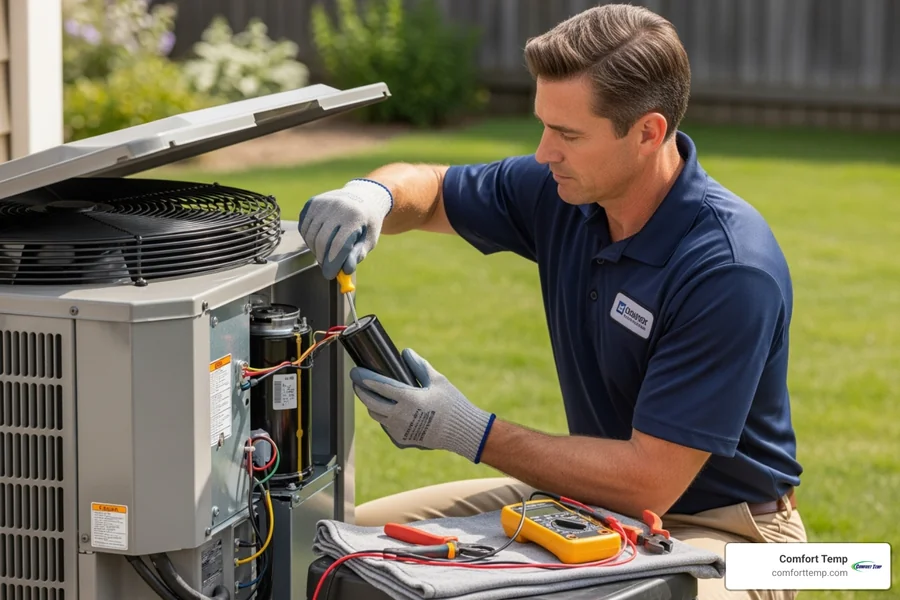
While some minor HVAC issues can be resolved with simple troubleshooting, there are times when professional intervention is necessary. If you notice unusual noises, such as banging or screeching, coming from your system, it could indicate a mechanical problem that requires expert attention. Similarly, if your system is cycling on and off frequently or not providing adequate heating or cooling, it may be a sign of a more serious issue. Refrigerant leaks, electrical problems, and issues with the compressor or blower motor are complex problems that should be handled by a trained technician. Attempting to fix these issues on your own can lead to further damage and potentially void your warranty. A professional technician has the knowledge and tools to accurately diagnose and repair your HVAC system, ensuring it operates safely and efficiently.
Benefits of Timely Repairs
Addressing HVAC issues promptly can prevent minor problems from escalating into major repairs. Timely repairs not only restore comfort to your home but also improve the efficiency and longevity of your system. When components are not functioning properly, your HVAC system has to work harder to maintain the desired temperature, leading to increased energy consumption and higher utility bills. By addressing issues as soon as they arise, you can reduce wear and tear on your system, prolonging its lifespan and saving money in the long run. Additionally, timely repairs can improve indoor air quality by ensuring proper airflow and filtration, reducing the risk of allergens and pollutants circulating in your home. Prioritizing repairs can enhance the overall performance of your HVAC system and contribute to a healthier, more comfortable living environment.
Navigating the financial side of climate control requires more than just a quick fix; it demands a long-term perspective on equipment health and efficiency. While it is tempting to focus solely on the immediate invoice, homeowners often find that the cumulative expense of patching an aging unit eventually rivals the cost of a modern upgrade. When consumers Learn more about the $5,000 rule and other industry guidelines, they can better determine whether a specific repair is a sound investment or a drain on their household budget. Making a data-driven choice helps ensure that comfort remains consistent without the persistent stress of recurring mechanical failures and rising utility bills.
Conclusion
Sudden comfort loss due to heating and cooling system failures can be a significant inconvenience, but understanding the common causes and knowing how to address them can help you restore comfort quickly. Regular maintenance and timely repairs are essential to prevent unexpected breakdowns and ensure your HVAC system operates efficiently. While some minor issues can be resolved with simple troubleshooting, professional intervention is necessary for more complex problems. By prioritizing maintenance and repairs, you can enhance the performance and longevity of your HVAC system, ensuring a comfortable and healthy indoor environment year-round. Remember, a well-maintained system not only provides comfort but also contributes to energy savings and improved air quality in your home.