
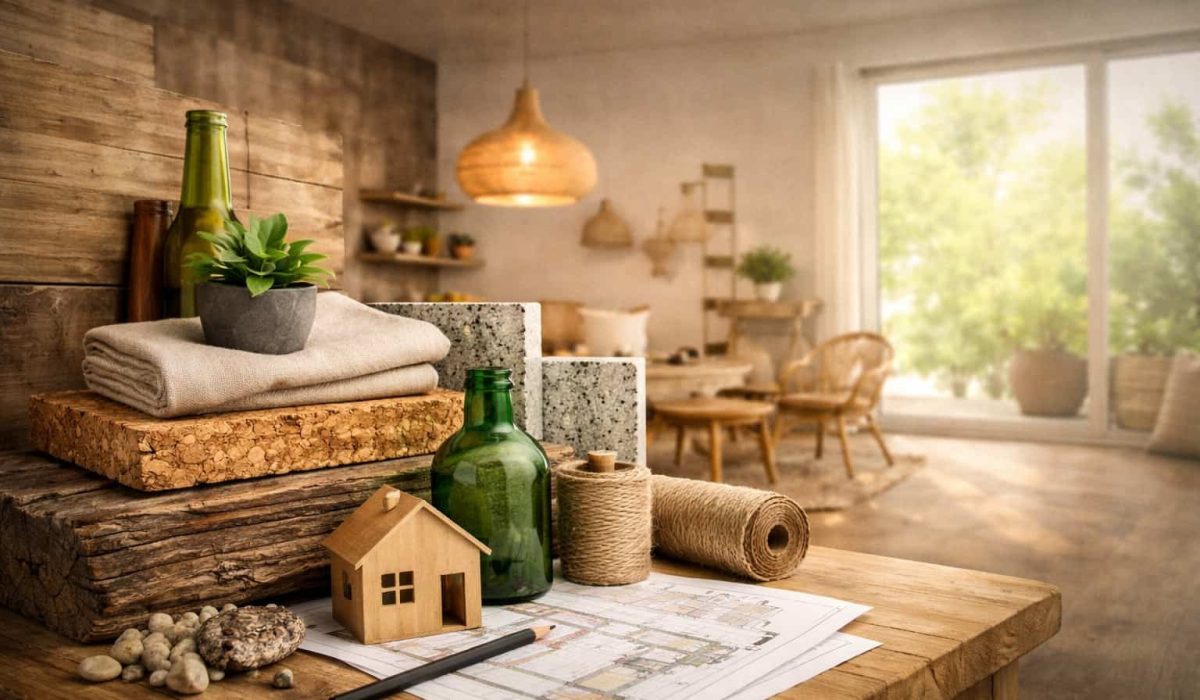
Why Sustainable Materials Matter in Interior Spaces
Sustainable interior design has evolved into a key principle influencing the way residential and commercial spaces are conceived across the United States. With greater awareness of environmental challenges such as climate change and resource scarcity, attention has shifted to the materials that define the surfaces and atmosphere of our living and working environments. Traditional materials like plastics, tropical hardwoods, and solvent-based finishes often result in significant ecological impacts, both during production and at the end of their lifecycle. By choosing eco-friendly alternatives, designers and homeowners can help conserve resources, reduce emissions, and create interiors that support healthier lifestyles. This mindful approach emphasizes the need for understanding a product’s journey from raw material to disposal, guiding a shift toward low-impact, responsibly sourced options that marry aesthetics with sustainability.
Natural and Renewable Materials as Practical Substitutes
Many eco-aware designers are turning to natural and renewable materials that offer both durability and a lower environmental footprint. Bamboo stands out due to its rapid regrowth and applicability in flooring and cabinetry. Its resilience and unique grain add an organic feel to modern interiors. Cork, harvested from living trees without permanent damage, provides excellent insulation and absorbs sound, making it suitable for both floors and walls. When wood is required, opting for certified sources ensures forests are managed with regeneration and biodiversity in mind. Plant-based textiles such as linen, organic cotton, and hemp are being utilized for upholstery, window treatments, and decorative accents. These fibers avoid synthetic additives and are frequently colored with low-impact dyes, supporting an overall healthier indoor environment. By integrating these options, spaces can maintain visual interest and functionality while demonstrating a clear commitment to ecological values.
Recycled, Upcycled, and Low-Impact Innovations
Eco-conscious interiors increasingly incorporate recycled and upcycled materials that might otherwise become waste. Reclaimed wood brings character and history into new builds, while also diverting material from landfills. Recycled glass finds new life as countertops, tiles, or mosaics with distinctive visual appeal. Even metals can be sourced from recycled stock, lessening the need for energy-intensive mining. Producers are also creating soft furnishings from recycled fibers, including repurposed plastics. These solutions are informed by independent verification systems that help ensure the material has been responsibly sourced and processed. Advances in low-impact finishes, such as plant-based resins and water-based sealants, offer additional means of reducing pollutants and supporting healthier indoor air. These innovations help promote a culture of reuse and materials conservation, aligning interior design with broader sustainability initiatives.
Healthy Finishes, Paints, and Textiles for Better Indoor Air
Air quality plays a significant role in defining the comfort and safety of interior spaces. Many traditional paints, varnishes, and adhesives can release volatile organic compounds (VOCs), contributing to respiratory issues and discomfort. Modern eco-friendly alternatives are formulated to release fewer or no VOCs, making them a popular choice for both homes and offices. When it comes to textiles, untreated or minimally treated plant-based fibers are selected to reduce chemical exposure, especially in areas where people spend a considerable amount of time. Transparency from manufacturers, supported by recognized certifications, helps buyers select products that meet both aesthetic and health standards. As people spend more time indoors, material selection has come to reflect a holistic perspective—one that sees interiors not only as expressions of design, but as contributors to overall wellbeing.
- Low-VOC or VOC-free paints and varnishes reduce chemical emissions during and after installation.
- Untreated or certified textiles can help limit exposure to potentially harmful additives.
- Natural oils and waxes are used as alternatives to solvent-heavy wood finishes.
Practical Considerations When Choosing Eco-Friendly Alternatives
Making responsible material choices means looking beyond green labels or single attributes. The durability and maintenance requirements of a material can influence its environmental impact over time—options that can be repaired or refinished may be preferable to those needing frequent replacement. Evaluating how a material performs based on usage and upkeep, as well as its ease of recycling or reuse at end of life, supports long-term sustainability goals. Local sourcing is another key factor, helping to lower transport impacts and support regional economies. Creating a shortlist of trusted suppliers and materials based on transparent criteria streamlines the decision-making process, allowing eco-friendly products to take center stage in design projects.
- Assess durability and repairability to avoid premature replacement.
- Consider local availability to reduce transport impacts.
- Review end-of-life options, including recyclability and potential for reuse.
For design inspiration and information on integrating responsible materials into contemporary interiors, resources such as Faux Natural can offer valuable guidance on navigating the ever-expanding world of sustainable alternatives.