
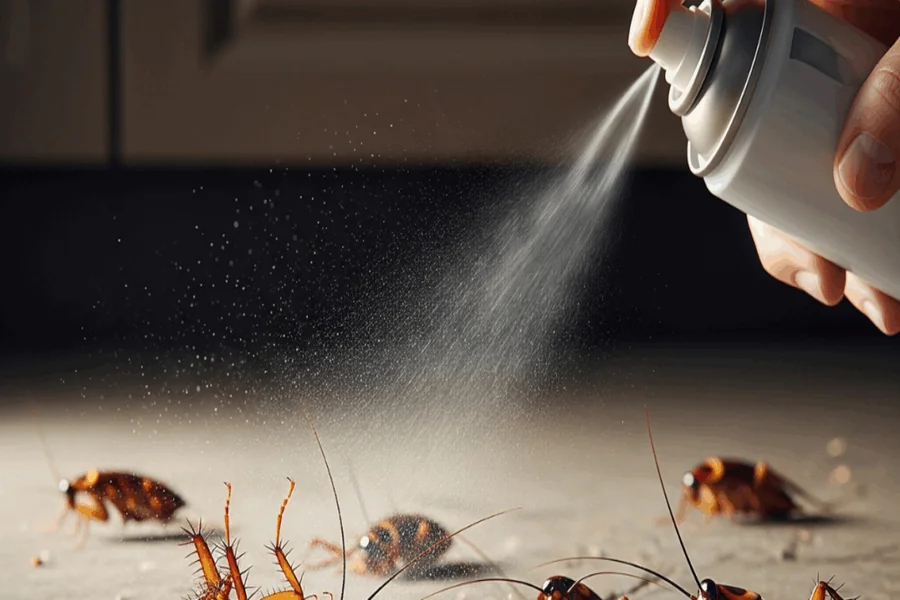
Pest control is a crucial aspect of maintaining a healthy and comfortable living environment. Whether you’re dealing with ants, rodents, or other unwelcome guests, understanding the various methods available for pest control can help you make informed decisions. Baits, sprays, and traps are among the most common solutions, each with its own set of advantages and disadvantages. This article delves into the pros and cons of these methods, providing insights to help you choose the right approach for your needs. By understanding these options, you can effectively manage pest issues and maintain a pest-free home.
Overview of Baits, Sprays, and Traps
Baits are a popular choice for pest control due to their targeted approach. They work by attracting pests to a poisoned food source, which they then carry back to their nests, effectively eliminating the entire colony. One of the main advantages of baits is their ability to target specific pests without affecting non-target species. This makes them an environmentally friendly option compared to other methods. However, baits can take time to show results, as they rely on the pest’s natural behavior to spread the poison. Additionally, baits must be placed strategically to be effective, which can require some knowledge of pest habits and nesting sites.
Sprays, on the other hand, offer immediate results by killing pests on contact. They are particularly effective for dealing with large infestations or when a quick solution is needed. Sprays can be used both indoors and outdoors, providing flexibility in application. However, they often contain chemicals that can be harmful to humans, pets, and the environment. It’s essential to follow the manufacturer’s instructions carefully and consider using natural or organic sprays when possible. Moreover, sprays may not be as effective in reaching hidden pests or nests, which can limit their long-term effectiveness.
Traps are another common method for controlling pests, particularly rodents and insects. They work by capturing or killing pests, providing a physical solution to the problem. Traps can be an effective way to monitor pest activity and reduce populations over time. They are generally safe for use around children and pets, as they do not involve chemicals. However, traps require regular monitoring and maintenance to ensure they remain effective. Additionally, they may not be suitable for large infestations, as they typically target individual pests rather than entire colonies.
Baits: Pros and Cons
Baits are an effective method for targeting specific pests, such as ants, cockroaches, and termites. They work by luring pests to a poisoned food source, which they then carry back to their nests, effectively spreading the poison throughout the colony. This method is particularly advantageous for its ability to eliminate entire pest populations rather than just individual pests. Baits are also relatively safe for use around humans and pets, as they are typically placed in areas that are inaccessible to non-target species. However, the effectiveness of baits can be influenced by several factors, including the type of bait used, the placement of the bait, and the behavior of the pests.
One of the main drawbacks of baits is the time it takes to see results. Since baits rely on the natural behavior of pests to spread the poison, it can take several days or even weeks to notice a significant reduction in pest populations. Additionally, baits must be placed strategically to be effective, which can require some knowledge of pest habits and nesting sites. In some cases, pests may develop resistance to certain baits, reducing their effectiveness over time. Despite these challenges, baits remain a popular choice for pest control due to their targeted approach and minimal impact on non-target species.
Sprays: Pros and Cons
Sprays are a widely used method for pest control due to their ability to provide immediate results. They work by killing pests on contact, making them an ideal solution for dealing with large infestations or when a quick response is needed. Sprays can be used both indoors and outdoors, offering flexibility in application. However, it’s important to consider the potential risks associated with using sprays, particularly those containing chemical pesticides. These chemicals can be harmful to humans, pets, and the environment, so it’s essential to follow the manufacturer’s instructions carefully and consider using natural or organic sprays when possible.
One of the main advantages of sprays is their ability to cover large areas quickly, making them effective for treating widespread infestations. However, sprays may not be as effective in reaching hidden pests or nests, which can limit their long-term effectiveness. Additionally, some pests may develop resistance to certain sprays, reducing their effectiveness over time. It’s also important to consider the potential impact of sprays on beneficial insects, such as bees and butterflies, which can be harmed by indiscriminate spraying. Despite these challenges, sprays remain a popular choice for pest control due to their immediate results and ease of use.
Traps: Pros and Cons
Traps are a common method for controlling pests, particularly rodents and insects. They work by capturing or killing pests, providing a physical solution to the problem. Traps can be an effective way to monitor pest activity and reduce populations over time. They are generally safe for use around children and pets, as they do not involve chemicals. However, traps require regular monitoring and maintenance to ensure they remain effective. Additionally, they may not be suitable for large infestations, as they typically target individual pests rather than entire colonies.
One of the main advantages of traps is their ability to provide a non-toxic solution to Pest Control Overland Park. This makes them an ideal choice for households with children or pets, as well as for those who are concerned about the environmental impact of chemical pesticides. However, traps can be labor-intensive, as they require regular checking and resetting to ensure they remain effective. Additionally, some pests may learn to avoid traps over time, reducing their effectiveness. Despite these challenges, traps remain a popular choice for pest control due to their safety and effectiveness in reducing pest populations.
Choosing the Right Method
When deciding on a pest control method, it’s important to consider the specific pest problem you’re facing, as well as your personal preferences and concerns. Baits, sprays, and traps each have their own set of advantages and disadvantages, and the right choice will depend on your individual circumstances. For example, if you’re dealing with a large infestation and need immediate results, sprays may be the best option. However, if you’re concerned about the environmental impact of chemical pesticides, baits or traps may be a more suitable choice.
It’s also important to consider the potential risks associated with each method, particularly when it comes to the safety of children and pets. Baits and traps are generally considered safer options, as they do not involve the use of chemicals. However, they may require more time and effort to be effective. On the other hand, sprays can provide quick results but may pose a risk to non-target species